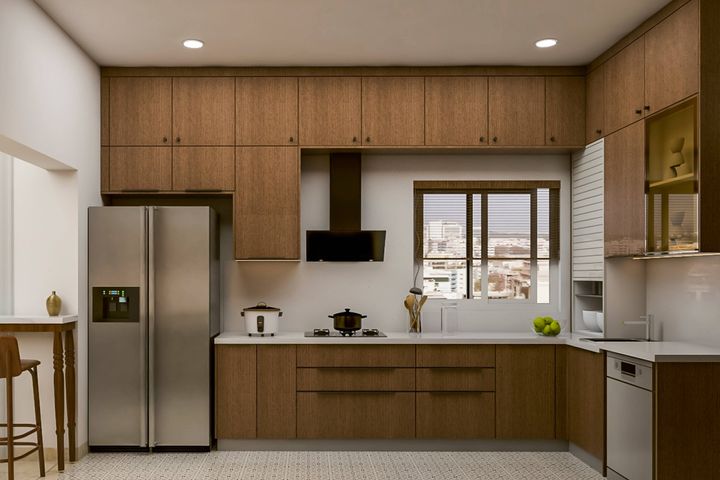
Explore Kitchen Renovation Guide: Basics, Costs, Design Tips, Insights, and Smart Upgrade Ideas
Kitchen renovation refers to the process of improving the functionality, appearance, layout, and efficiency of a kitchen space. It may include replacing cabinets, updating countertops, improving lighting, adding storage solutions, upgrading appliances, or redesigning the layout entirely. The idea behind kitchen renovation is not only visual improvement but also better organization, convenience, and energy efficiency.
Over time, kitchens experience wear from daily use. Older layouts may also become less practical as household needs change. Modern kitchen renovation focuses on balancing functionality with comfort while using durable materials and efficient planning methods.
Many homeowners now explore kitchen remodeling ideas to create spaces that support cooking, dining, storage, and even remote work or social interaction. Open-concept designs and modular kitchen systems have become increasingly common because they help maximize available space.
The table below highlights common renovation elements and their purposes.
| Renovation Element | Main Purpose |
|---|---|
| Cabinets and Storage | Improve organization and reduce clutter |
| Countertops | Increase durability and workspace |
| Lighting Systems | Enhance visibility and energy efficiency |
| Flooring | Improve safety and long-term maintenance |
| Smart Appliances | Support convenience and energy management |
| Ventilation Systems | Improve indoor air quality |
Why Kitchen Renovation Is Important Today
Kitchen renovation has become more relevant due to changing lifestyles, urban living trends, and growing awareness of energy-efficient home design. Many households spend significant time in kitchen areas, making comfort and functionality important considerations.
Modern kitchen layouts can help solve several common household challenges:
- Limited storage space
- Poor lighting conditions
- Inefficient appliance placement
- High energy consumption
- Difficult cleaning and maintenance
- Inadequate ventilation
Smaller homes and apartments have also encouraged compact kitchen design planning. Foldable storage systems, vertical shelving, and multi-purpose counters are increasingly used to maximize efficiency in limited spaces.
Families with children or elderly members often focus on safety improvements such as anti-slip flooring, rounded countertop edges, and improved lighting placement. Accessibility has become a growing topic in home improvement discussions.
Another important factor is sustainability. Energy-efficient kitchen appliances, LED lighting, water-saving fixtures, and recyclable materials are commonly included in modern renovation planning. These changes may help reduce electricity and water usage over time.
Recent Trends and Updates in Kitchen Renovation
Kitchen renovation trends have evolved significantly during the past year as homeowners increasingly prioritize technology integration, sustainability, and flexible layouts.
According to several interior design trend reports published in 2025, the following developments have become more common:
- Smart kitchen systems connected to mobile apps
- Touchless faucets and sensor lighting
- Matte cabinet finishes and natural textures
- Quartz and recycled countertop materials
- Hidden storage compartments
- Multifunction kitchen islands
- Energy-efficient induction cooking systems
One major trend during 2025 has been the rise of “minimal visual clutter” design concepts. This approach focuses on concealed storage, integrated appliances, and cleaner layouts to create a more organized environment.
The chart below shows common renovation priorities reported by homeowners in recent design surveys.
| Renovation Priority | Popularity Trend 2025 |
|---|---|
| Energy Efficiency | High |
| Smart Kitchen Features | High |
| Storage Optimization | Very High |
| Sustainable Materials | Growing |
| Open Layout Designs | Moderate |
| Decorative Upgrades | Moderate |
Another recent update involves the use of AI-powered kitchen planning software. Some digital tools now allow users to create virtual kitchen layouts, test appliance placements, and visualize materials before starting renovation work.
Homeowners are also showing more interest in long-lasting materials instead of short-term decorative upgrades. Durable flooring, stain-resistant surfaces, and low-maintenance finishes are becoming preferred choices.
Rules, Building Policies, and Renovation Regulations
Kitchen renovation projects are often influenced by local building regulations, safety standards, and environmental guidelines. These rules can vary depending on the country, region, and type of property.
Some common areas regulated during kitchen renovation include:
- Electrical wiring standards
- Gas line safety
- Ventilation requirements
- Plumbing installation codes
- Fire safety materials
- Waste disposal procedures
In many regions, structural modifications such as removing walls or relocating plumbing systems may require official approval or inspection. Apartment buildings and residential communities may also have renovation timing restrictions or noise-control policies.
Energy efficiency regulations have also become more common in several countries. Some governments encourage the use of energy-saving appliances, LED lighting, and water-efficient fixtures through environmental programs or sustainability guidelines.
Environmental concerns are influencing material selection as well. Certain renovation materials now follow standards related to indoor air quality and low chemical emissions.
People planning major kitchen upgrades are usually encouraged to review:
- Local construction regulations
- Electrical safety standards
- Ventilation requirements
- Fire prevention guidelines
- Environmental compliance rules
Understanding these policies early can help avoid delays and safety concerns during renovation planning.
Helpful Tools and Resources for Kitchen Planning
Several digital tools and educational resources can assist people during kitchen renovation planning. These resources help with layout visualization, budgeting estimates, storage planning, and material comparisons.
Useful categories include:
- Kitchen layout planners
- Interior design applications
- Lighting simulation tools
- Material comparison platforms
- Appliance energy calculators
- Storage optimization templates
Some commonly used platforms and resources include:
| Tool or Resource Type | Purpose |
|---|---|
| 3D Kitchen Planner | Visualize kitchen layouts |
| Home Design Apps | Test colors and materials |
| Energy Efficiency Calculators | Estimate appliance consumption |
| Measurement Templates | Improve planning accuracy |
| Interior Design Blogs | Learn renovation trends |
| Material Guides | Compare durability and maintenance |
Popular kitchen planning apps now include augmented reality features that allow users to preview cabinet placement or wall colors using smartphone cameras.
Educational websites and design forums are also widely used for understanding topics such as:
- Countertop materials
- Cabinet organization methods
- Space-saving layouts
- Lighting placement strategies
- Sustainable renovation techniques
Before starting renovation planning, it is often helpful to create a checklist covering:
- Available kitchen space
- Storage requirements
- Lighting needs
- Ventilation improvements
- Appliance compatibility
- Material durability
- Cleaning and maintenance preferences
Smart Design Tips for Functional Kitchen Spaces
A successful kitchen renovation often depends on balancing appearance with practicality. Design choices should support daily routines while improving long-term usability.
One widely used concept is the “kitchen work triangle.” This planning method focuses on efficient placement between the sink, stove, and refrigerator to reduce unnecessary movement during cooking.
Important design considerations include:
- Keeping pathways clear
- Using layered lighting
- Maximizing vertical storage
- Selecting moisture-resistant materials
- Creating easy-to-clean surfaces
Lighting plays a major role in kitchen functionality. Many modern kitchens use three types of lighting:
| Lighting Type | Function |
|---|---|
| Ambient Lighting | General room illumination |
| Task Lighting | Cooking and preparation visibility |
| Accent Lighting | Decorative highlighting |
Storage design has also become more advanced. Pull-out drawers, rotating corner shelves, hidden compartments, and ceiling-height cabinets help maximize organization in compact kitchens.
Ventilation is another important factor. Proper airflow can reduce moisture buildup, cooking odors, and indoor heat accumulation.
Color selection may also influence how spacious a kitchen feels. Lighter shades are commonly used in smaller kitchens because they reflect more light and create a more open appearance.
Frequently Asked Questions About Kitchen Renovation
What is the first step in kitchen renovation planning?
The first step usually involves evaluating the existing kitchen layout, identifying functional problems, measuring available space, and creating a renovation priority list.
Why are modular kitchen systems becoming popular?
Modular kitchens provide flexible storage options, efficient organization, and easier installation. They are also suitable for both compact and large spaces.
How can energy efficiency improve a kitchen?
Energy-efficient lighting, appliances, and water-saving fixtures may help reduce electricity and water usage while improving long-term sustainability.
What materials are commonly used for modern countertops?
Quartz, granite, stainless steel, recycled surfaces, and engineered stone are commonly used because of their durability and maintenance characteristics.
Are smart kitchen technologies useful?
Smart kitchen systems can improve convenience through automation features such as app-controlled appliances, sensor lighting, and energy monitoring tools.
Conclusion
Kitchen renovation has evolved from a simple cosmetic upgrade into a broader process focused on functionality, efficiency, safety, and sustainability. Modern kitchen design now combines storage optimization, energy-efficient technology, durable materials, and flexible layouts to support changing household needs.
Recent renovation trends show growing interest in smart kitchen systems, sustainable materials, and space-saving solutions. At the same time, local building regulations and environmental standards continue to influence renovation planning and material selection.
Careful preparation, practical design choices, and the use of digital planning resources can help create kitchens that are easier to maintain, more organized, and better suited to everyday activities. Whether the goal is improving storage, lighting, ventilation, or overall usability, thoughtful kitchen renovation planning can contribute to a more functional living environment.