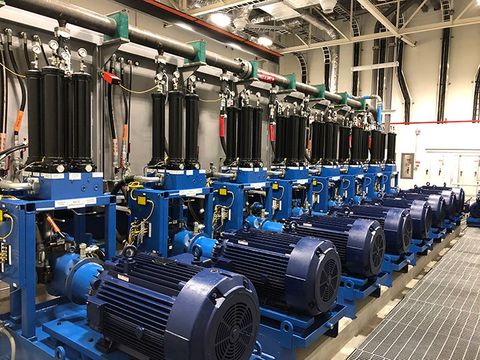
At a basic level, industrial water pumps exist to solve the challenge of fluid movement. In many industrial environments, water must be transported over long distances, elevated to higher levels, or circulated continuously for cooling, cleaning, or processing. Without pumps, these operations would rely on inefficient or impractical manual methods.
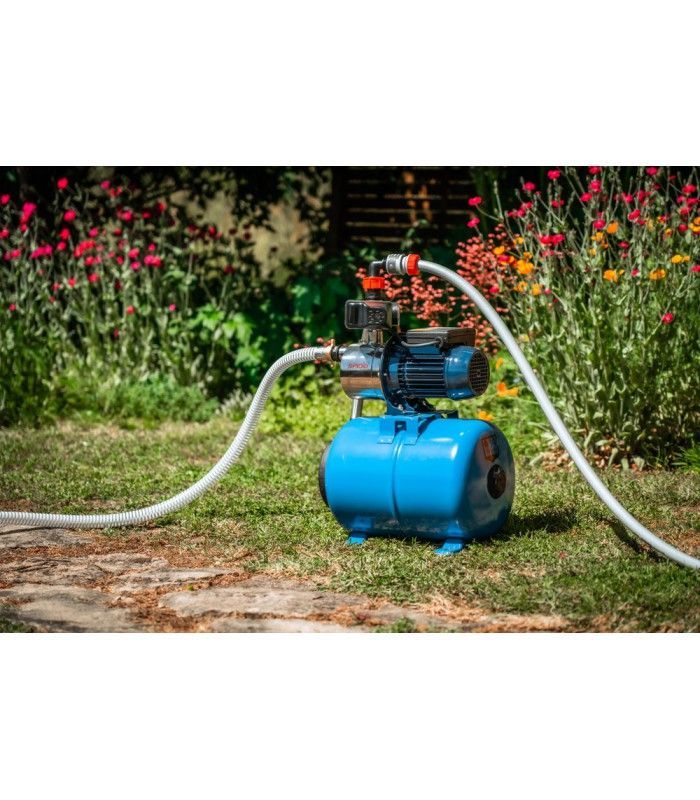
Common types of industrial water pumps include:
-
Centrifugal pumps (used for high flow, low pressure systems)
-
Positive displacement pumps (used for consistent flow regardless of pressure)
-
Submersible pumps (used underwater for drainage or wastewater)
-
Booster pumps (used to increase pressure in pipelines)
Each type is engineered for specific operational conditions, making pump selection a critical technical decision in industrial systems.
Why Industrial Water Pumps Matter Today
Industrial water pumps play a central role in maintaining operational efficiency and sustainability in modern infrastructure. Their importance has grown significantly due to increasing demand for water management, energy efficiency, and environmental responsibility.
Industries rely on pumps to maintain continuous production cycles. For example, manufacturing plants use pumps for cooling systems, chemical processing, and wastewater management. In energy sectors, pumps support power generation systems by circulating water in boilers and cooling towers.
Key challenges addressed by industrial water pumps include:
-
Efficient water distribution across large facilities
-
Wastewater treatment and environmental compliance
-
Pressure management in complex piping systems
-
Resource conservation through optimized fluid handling
In recent years, the focus has shifted toward energy-efficient pumps due to rising energy consumption concerns. Pumps can account for a significant portion of industrial electricity usage, making efficiency improvements highly impactful.Recent Trends and Developments in Industrial Water Pumps
The industrial pump sector has seen several notable developments over the past year, particularly in technology integration and sustainability practices.
One major trend is the adoption of smart pump systems. These systems integrate sensors and monitoring tools to track performance in real time. Data collected from these systems helps operators identify inefficiencies, predict maintenance needs, and reduce downtime.
Another development is the growing use of variable frequency drives (VFDs). These devices adjust pump speed based on demand, improving energy efficiency and reducing wear on components.
Recent advancements include:
-
Increased use of IoT-enabled monitoring systems (2025–2026)
-
Expansion of digital twin technology for predictive maintenance
-
Improved materials for corrosion resistance and durability
-
Enhanced focus on energy-efficient pump certifications
Sustainability has also become a key driver. Industries are adopting pumps designed to minimize water waste and energy consumption, aligning with broader environmental goals.Regulatory and Policy Considerations
Industrial water pumps are subject to various regulations and standards that aim to ensure safety, efficiency, and environmental protection. These rules can vary depending on the region and industry, but they generally focus on energy usage, emissions, and water management practices.
Energy efficiency standards are particularly important. Many regions enforce minimum efficiency requirements for industrial equipment, including pumps. These standards encourage the use of high-efficiency motors and optimized system designs.
Environmental regulations also play a role. Pumps used in wastewater treatment must comply with guidelines related to discharge quality and pollution control.
Common regulatory aspects include:
-
Energy efficiency compliance standards
-
Environmental protection guidelines for water usage
-
Safety standards for industrial equipment operation
-
Certification requirements for specific industries
Organizations often rely on compliance frameworks to ensure that their pump systems meet legal and operational requirements.
Tools, Resources, and Technologies
A variety of tools and resources are available to support the selection, operation, and maintenance of industrial water pumps. These tools help engineers and operators make informed decisions and improve system performance.
Useful tools and resources include:
-
Pump selection software for matching system requirements
-
Energy efficiency calculators for performance analysis
-
Maintenance tracking systems for scheduling inspections
-
Digital monitoring platforms for real-time data insights
-
Technical manuals and engineering standards documentation
Below is a simple comparison table of common pump types and their typical applications:
| Pump Type | Key Feature | Typical Application |
|---|
| Centrifugal Pump | High flow rate | Water supply, irrigation |
| Positive Displacement | Constant flow | Chemical processing |
| Submersible Pump | Operates underwater | Drainage, wastewater systems |
| Booster Pump | Increases pressure | Building water systems |
A conceptual performance graph can help illustrate how flow rate and efficiency are related in pump systems:This graph shows that pumps typically operate most efficiently at a specific range, known as the best efficiency point (BEP). Operating outside this range can reduce performance and increase wear.
Frequently Asked Questions
What factors should be considered when selecting an industrial water pump?
Key factors include flow rate requirements, pressure levels, fluid type, temperature, and system design. Selecting the right pump ensures efficiency and reliability.
How can energy efficiency be improved in pump systems?
Energy efficiency can be improved by using variable frequency drives, selecting high-efficiency motors, and maintaining pumps regularly to avoid performance losses.
What is the difference between centrifugal and positive displacement pumps?
Centrifugal pumps use rotational energy to move fluids, while positive displacement pumps move a fixed amount of fluid with each cycle, providing consistent flow.
Why is regular maintenance important for industrial pumps?
Regular maintenance helps prevent breakdowns, extends equipment lifespan, and ensures consistent performance. It also reduces the risk of unexpected downtime.
What are smart pump systems?
Smart pump systems use sensors and digital monitoring tools to track performance, detect issues, and optimize operations in real time.
Conclusion
Industrial water pumps are essential components in modern industrial systems, enabling efficient fluid movement across a wide range of applications. Their importance continues to grow as industries focus on sustainability, energy efficiency, and operational reliability.
With advancements in smart technologies and increasing regulatory emphasis on efficiency and environmental responsibility, pump systems are evolving rapidly. Understanding the different types of pumps, their applications, and the tools available for optimization can help organizations improve performance and meet compliance standards.
By staying informed about recent trends and best practices, industries can ensure that their water pump systems remain effective, reliable, and aligned with modern operational requirements.