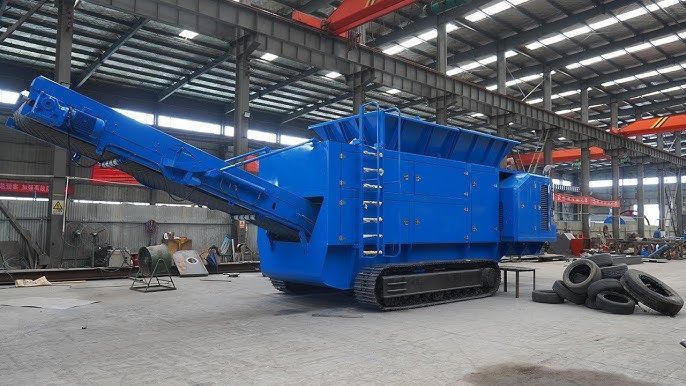
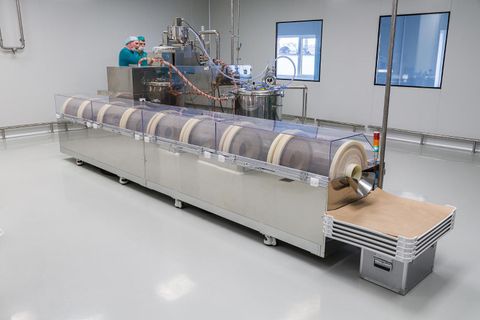
Unlike standard shredders used for paper or light materials, industrial shredders are built to process a wide range of inputs. These include plastics, metals, wood, rubber, electronic waste, and even construction debris. The machines vary in size, capacity, and design depending on the application.
The need for industrial shredding arose from the growing challenge of managing large-scale waste and improving material recovery. By reducing volume and preparing materials for reuse, shredders support efficient operations and resource optimization.
Importance: Why Industrial Shredders Matter Today
Industrial shredders play a crucial role in modern industries due to increasing environmental concerns and operational demands. As industries generate more waste, effective material handling becomes essential.
Key reasons why industrial shredders are important today include:
-
Waste Reduction Efficiency: Shredders significantly reduce the volume of waste, making transportation and storage more efficient.
-
Recycling Optimization: They prepare materials for recycling by breaking them into uniform sizes.
-
Data Security Applications: In certain sectors, shredders are used to destroy sensitive materials like hard drives and documents.
-
Operational Productivity: Automated shredding systems improve workflow and reduce manual labor.
Industries that benefit the most include:
-
Manufacturing and production units
-
Recycling and waste management facilities
-
Automotive and metal processing industries
-
Construction and demolition sectors
Below is a simplified comparison of shredding applications:
| Industry Type | Common Materials Processed | Primary Objective |
|---|
| Recycling Plants | Plastic, paper, metal | Material recovery |
| Manufacturing | Scrap, defective goods | Waste minimization |
| Construction | Wood, concrete, debris | Site cleanup and reuse |
| Electronics | E-waste, circuits | Safe disposal and recovery |
Recent Updates: Trends and Developments in the Past Year
Over the past year, industrial shredding technology has evolved with a focus on efficiency, automation, and environmental impact.
Key developments include:
-
Automation and Smart Monitoring (2025): Modern shredders now integrate sensors and IoT-based systems for real-time monitoring, improving performance tracking and predictive maintenance.
-
Energy Efficiency Improvements (2025): Manufacturers are focusing on reducing power consumption through optimized motor designs and energy-saving modes.
-
Advanced Material Handling Systems: New designs allow shredders to handle mixed materials more effectively, reducing the need for pre-sorting.
-
Noise and Emission Reduction Technologies: Updated models are built to comply with stricter environmental standards, minimizing operational noise and emissions.
-
AI-Based Sorting Integration: Some facilities have started integrating AI systems alongside shredders for improved sorting accuracy post-shredding.
A simple trend visualization:
These trends indicate a shift toward smarter, cleaner, and more efficient shredding solutions.
Laws or Policies: Regulatory and Compliance Considerations
Industrial shredders are subject to various regulations depending on their application and location. These regulations ensure safety, environmental protection, and proper waste handling.
Key regulatory aspects include:
-
Environmental Regulations: Shredding operations must comply with waste management and pollution control standards. This includes proper disposal of shredded materials and emissions control.
-
Workplace Safety Standards: Operators must follow safety guidelines to prevent accidents. This includes machine guarding, emergency stop systems, and proper training.
-
Data Protection Laws: In cases where shredders are used for destroying sensitive data, compliance with data protection regulations is required.
-
Noise Control Policies: Industrial equipment must meet permissible noise levels to protect workers and surrounding environments.
Common compliance requirements:
-
Regular equipment inspections
-
Documentation of waste processing
-
Use of certified machinery
-
Employee safety training programs
Failure to comply with these regulations can lead to operational risks and legal complications.
Tools and Resources: Useful Technologies and Support Systems
Several tools and resources can help in understanding, operating, and optimizing industrial shredders.
Helpful tools include:
-
Shredder Capacity Calculators: Estimate throughput based on material type and machine specifications
-
Maintenance Tracking Software: Monitor machine performance and schedule servicing
-
Material Compatibility Charts: Identify suitable shredders for specific materials
-
Energy Consumption Trackers: Analyze power usage and optimize efficiency
-
Industrial Automation Platforms: Integrate shredders with broader production systems
Examples of useful resources:
-
Equipment manuals and technical documentation
-
Industry research reports and whitepapers
-
Online training modules for machine operators
-
Simulation tools for workflow optimization
These tools improve decision-making and operational efficiency while reducing downtime.
FAQs: Common Questions About Industrial Shredders
What materials can industrial shredders process?
Industrial shredders can handle a wide range of materials including plastic, metal, wood, rubber, paper, and electronic waste. The capability depends on the shredder type and configuration.
How do industrial shredders differ from regular shredders?
Industrial shredders are designed for heavy-duty use and large volumes. They have stronger motors, durable blades, and higher capacity compared to standard shredders.
Are industrial shredders safe to operate?
Yes, when proper safety measures are followed. Modern machines include safety features such as emergency stops, protective guards, and automated controls.
What are the main types of industrial shredders?
Common types include:
-
Single-shaft shredders
-
Dual-shaft shredders
-
Quad-shaft shredders
-
Hammer mills
Each type serves different applications based on material and output requirements.
How often should maintenance be performed?
Maintenance frequency depends on usage and material type. Regular inspections, blade sharpening, and lubrication are essential for optimal performance.
Conclusion
Industrial shredders are essential machines that support efficient material management across multiple industries. By reducing waste volume and preparing materials for reuse, they contribute to operational efficiency and environmental sustainability.
Recent advancements in automation, energy efficiency, and smart monitoring have made these machines more effective and reliable. At the same time, compliance with safety and environmental regulations remains a critical aspect of their operation.
Understanding the basics, applications, and evolving trends of industrial shredders can help individuals and organizations make informed decisions. With the right tools and knowledge, these machines can significantly improve productivity and resource management in modern industrial environments.