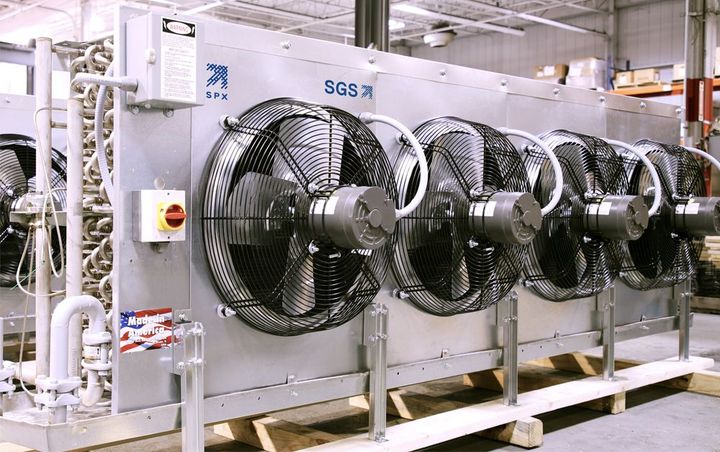
Explore Industrial Cooling Equipment: Complete Guide, Tips, Insights, Facts, Knowledge, and Helpful Resources
Industrial cooling equipment refers to systems and technologies designed to remove excess heat generated during industrial operations. Many manufacturing processes, machinery, power systems, and production facilities generate significant amounts of heat. Without proper cooling, equipment performance can decline, product quality may be affected, and operational reliability can become difficult to maintain.
Industrial cooling solutions exist to regulate temperatures, protect machinery, improve efficiency, and support safe working conditions. These systems are commonly used across manufacturing facilities, processing plants, power generation sites, data centers, food processing environments, chemical facilities, and numerous other industrial sectors.
The development of industrial cooling technologies has evolved alongside industrial growth. As machinery became more powerful and production demands increased, industries required more advanced methods of thermal management. Today, industrial cooling equipment forms a critical part of modern infrastructure and industrial operations worldwide.
Common Types of Industrial Cooling Equipment
The industrial cooling sector includes several categories of equipment designed for different applications.
| Equipment Type | Primary Function | Common Applications |
|---|---|---|
| Industrial Chillers | Remove heat from liquids | Manufacturing, processing plants |
| Cooling Towers | Reject heat into the atmosphere | Power plants, large facilities |
| Heat Exchangers | Transfer heat between fluids | Chemical processing |
| Industrial Refrigeration Systems | Maintain low temperatures | Food and beverage industries |
| Air Cooling Systems | Cool equipment through airflow | Electronics and machinery |
| Process Cooling Systems | Control manufacturing temperatures | Industrial production lines |
Different industries often combine multiple cooling technologies to achieve stable temperature control and efficient operation.
Why Industrial Cooling Equipment Matters
Industrial cooling equipment plays an important role in maintaining operational stability and efficiency. As industries continue adopting automation, advanced manufacturing systems, and high-performance machinery, effective cooling becomes increasingly important.
Several groups are directly affected by cooling technology:
- Manufacturing companies
- Energy producers
- Data center operators
- Food processing facilities
- Pharmaceutical manufacturers
- Chemical processing plants
- Infrastructure managers
The equipment helps address several operational challenges:
- Excessive heat generation
- Equipment overheating
- Production interruptions
- Energy inefficiencies
- Product quality concerns
- Workplace safety risks
Proper thermal management can contribute to equipment longevity and more predictable industrial operations.
Impact on Energy Efficiency
Energy efficiency has become a major consideration in industrial cooling strategies. Cooling systems can represent a significant portion of facility energy consumption.
Modern industrial cooling equipment increasingly incorporates:
- Variable speed drives
- Smart sensors
- Automated controls
- Predictive maintenance technologies
- Energy monitoring systems
- Advanced heat recovery methods
These innovations help organizations better manage energy use while maintaining operational performance.
Industrial Cooling Equipment Market Trends
The industrial cooling sector has experienced notable developments during the past year.
| Recent Trend | Industry Impact |
| Smart Monitoring Systems | Improved operational visibility |
| AI-Based Maintenance | Reduced unexpected downtime |
| Sustainable Refrigerants | Lower environmental impact |
| Digital Thermal Management | Better temperature control |
| Data Center Expansion | Increased cooling demand |
| Energy Optimization Programs | Improved efficiency targets |
Recent Updates and Industry Developments
Throughout 2025 and early 2026, several trends continued shaping industrial cooling technologies.
One major development has been the increased adoption of artificial intelligence and machine learning for predictive maintenance. These systems analyze equipment performance data to identify potential cooling system issues before they affect operations.
Another significant trend has been the growing focus on sustainable cooling technologies. Many industries have been evaluating lower-emission refrigerants and more efficient thermal management solutions in response to environmental goals announced during 2025 and 2026.
The rapid growth of cloud computing, digital infrastructure, and large-scale data centers has also increased demand for advanced cooling systems. New cooling approaches such as liquid cooling and hybrid cooling technologies have gained attention due to their ability to manage higher heat loads.
Additionally, energy management initiatives introduced or expanded during 2025 have encouraged organizations to modernize industrial cooling infrastructure and improve efficiency metrics.
Industrial Cooling Technology Evolution
The progression of industrial cooling can be illustrated through changing priorities:
| Period | Primary Focus |
| Traditional Systems | Basic temperature control |
| Modern Systems | Energy efficiency |
| Smart Systems | Automation and monitoring |
| Advanced Systems | Predictive analytics |
| Emerging Systems | Sustainability and optimization |
This evolution demonstrates how cooling equipment has become increasingly integrated with broader industrial technology strategies.
Laws, Regulations, and Policy Considerations
Industrial cooling equipment is often influenced by environmental, energy efficiency, workplace safety, and emissions regulations.
Governments and regulatory agencies in many countries establish standards related to:
- Refrigerant management
- Energy efficiency performance
- Industrial emissions
- Environmental protection
- Workplace safety requirements
- Equipment inspection procedures
Many jurisdictions continue implementing policies aimed at reducing greenhouse gas emissions and improving industrial energy performance. These regulations can affect cooling equipment selection, maintenance practices, and operational procedures.
Environmental standards often encourage industries to transition toward refrigerants with lower environmental impact while maintaining operational effectiveness.
Organizations operating industrial cooling systems typically monitor applicable regulations to ensure compliance with local, regional, and national requirements.
Key Factors When Evaluating Industrial Cooling Equipment
Several factors are commonly considered when assessing cooling infrastructure.
Cooling Capacity
Systems must provide sufficient heat removal for the intended application.
Energy Performance
Efficient systems may contribute to lower overall energy consumption.
Reliability
Operational continuity often depends on dependable cooling performance.
Maintenance Requirements
Routine inspections and maintenance help support long-term functionality.
Environmental Considerations
Many organizations evaluate environmental impact alongside technical performance.
Scalability
Future expansion plans may influence cooling system design decisions.
Helpful Tools and Resources
A variety of digital tools and resources can assist professionals, facility managers, and researchers interested in industrial cooling equipment.
Useful categories include:
- Cooling load calculators
- Energy consumption analyzers
- Thermal performance software
- HVAC engineering platforms
- Equipment monitoring dashboards
- Predictive maintenance systems
- Facility management applications
- Engineering design templates
- Industrial compliance databases
- Sustainability reporting tools
Common resource types include:
| Resource Category | Purpose |
| Energy Calculators | Estimate cooling requirements |
| Thermal Analysis Software | Model heat transfer performance |
| Monitoring Platforms | Track system conditions |
| Maintenance Tools | Schedule inspections |
| Compliance Resources | Review regulatory requirements |
| Industry Publications | Stay informed about developments |
Practical Tips for Understanding Cooling Systems
Individuals researching industrial cooling equipment can benefit from focusing on several key areas.
- Learn the differences between chillers, cooling towers, and heat exchangers.
- Understand basic heat transfer principles.
- Review energy efficiency metrics.
- Monitor emerging sustainability initiatives.
- Explore predictive maintenance technologies.
- Examine industry-specific cooling requirements.
- Follow developments in digital monitoring systems.
Building foundational knowledge can help readers better understand how industrial cooling supports broader industrial operations.
Frequently Asked Questions
What is industrial cooling equipment?
Industrial cooling equipment refers to systems designed to remove excess heat from machinery, processes, facilities, or industrial environments. Examples include chillers, cooling towers, heat exchangers, and refrigeration systems.
Why is industrial cooling important?
Cooling helps maintain safe operating temperatures, supports equipment performance, reduces overheating risks, and contributes to consistent production processes.
What industries use industrial cooling systems?
Industries such as manufacturing, energy production, food processing, pharmaceuticals, chemical processing, mining, and data center operations commonly use industrial cooling equipment.
What are the latest trends in industrial cooling?
Recent trends include smart monitoring, predictive maintenance, artificial intelligence integration, sustainable refrigerants, digital thermal management, and advanced cooling solutions for data centers.
How do cooling towers differ from chillers?
Cooling towers reject heat to the atmosphere using evaporative cooling methods, while chillers remove heat from liquids and circulate cooled fluid through industrial systems.
Are industrial cooling systems affected by environmental regulations?
Yes. Many countries regulate refrigerants, emissions, energy efficiency, and environmental performance standards that influence industrial cooling technologies and operational practices.
Conclusion
Industrial cooling equipment remains an essential component of modern industrial infrastructure. From manufacturing facilities and processing plants to energy systems and data centers, cooling technologies help manage heat, support operational stability, and improve efficiency.
Recent advancements in smart monitoring, predictive maintenance, energy optimization, and sustainable cooling technologies continue transforming the sector. At the same time, environmental regulations and efficiency initiatives are encouraging the adoption of more advanced thermal management solutions.
Understanding industrial cooling equipment provides valuable insight into how industries maintain performance, address thermal challenges, and adapt to evolving technological and regulatory expectations. As industrial systems become more sophisticated, effective cooling solutions will remain a fundamental part of reliable and efficient operations.