Explore Electrical Enclosures: Complete Guide, Key Details, Safety Tips, and Expert Insights
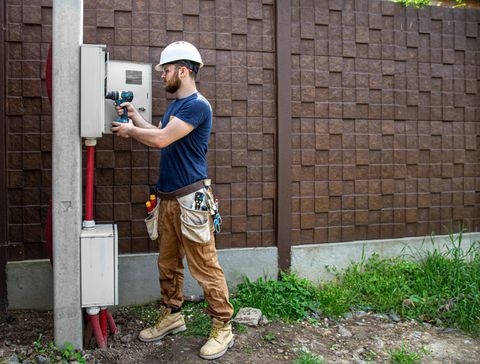
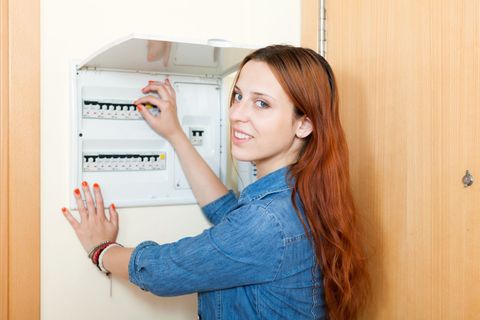
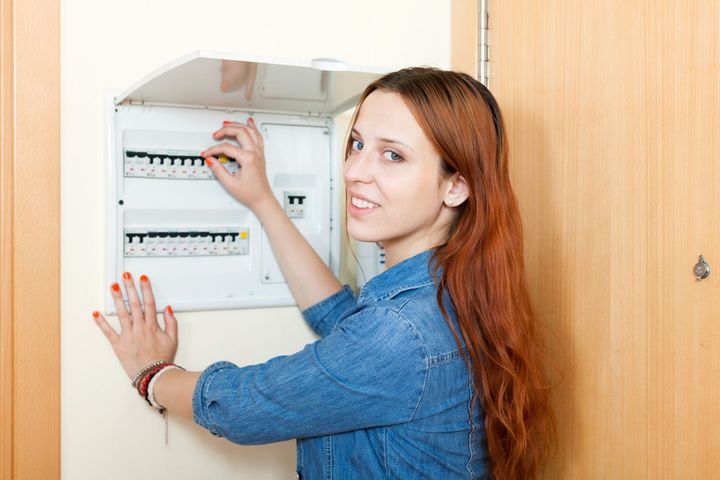
Electrical enclosures are protective housings designed to contain electrical components such as wiring, switches, circuit breakers, and control systems. These structures serve as a barrier between sensitive electrical equipment and external environmental conditions like dust, moisture, heat, and physical damage.
What Electrical Enclosures Are and Why They Exist
A high voltage electrical enclosure is specifically built to safely house components operating at elevated voltages, minimizing risks such as electric shock or equipment failure. Similarly, an electrical cabinet enclosure is commonly used in industrial and commercial environments to organize and protect complex electrical systems.
The primary purpose of these enclosures is safety and reliability. Without proper containment, electrical systems would be exposed to hazards that could lead to operational failures or safety incidents. As electrical infrastructure becomes more advanced, the need for durable and specialized enclosures continues to grow.
Importance – Why Electrical Enclosures Matter Today
Electrical enclosures play a critical role in modern infrastructure, affecting industries such as manufacturing, energy, telecommunications, and construction. Their importance has increased with the expansion of automation, renewable energy systems, and smart technologies.
Key reasons why they matter:
- They protect against environmental risks like water, dust, and corrosion
- They reduce the risk of electrical accidents and system failures
- They help maintain compliance with safety regulations
- They improve the lifespan of electrical equipment
For example, a waterproof electrical box outdoor is essential for installations exposed to rain or humidity, ensuring uninterrupted performance. In hazardous environments, an explosion proof electrical enclosure is used to prevent ignition of flammable gases or dust.
These enclosures address real-world problems such as equipment damage, downtime, and safety hazards, making them essential for both industrial and residential applications.
Types – Different Types of Electrical Enclosures
Electrical enclosures are available in a wide range of designs, materials, and configurations to suit different environments and applications.
Common types include:
-
Stainless steel electrical enclosure
Known for corrosion resistance and durability, ideal for harsh environments like chemical plants or coastal areas -
Polycarbonate electrical enclosure
Lightweight and impact-resistant, often used in outdoor and non-corrosive environments -
Wall mount electrical enclosure
Designed for easy installation on walls, commonly used in small-scale or space-saving applications -
Electrical cabinet enclosure
Large enclosures used for housing multiple components in industrial systems -
Explosion proof electrical enclosure
Built to contain internal explosions and prevent external hazards in dangerous environments -
High voltage electrical enclosure
Specifically engineered to handle high electrical loads safely -
Electrical enclosure cooling systems
Integrated systems that regulate temperature to prevent overheating -
Enclosure for power distribution
Used in power systems to safely distribute electricity across networks
Benefits and Applications
Electrical enclosures offer a wide range of benefits that extend beyond simple protection.
Key benefits include:
- Enhanced safety for users and technicians
- Protection from environmental damage
- Improved organization of electrical components
- Extended equipment lifespan
- Reduced maintenance requirements
Applications across industries:
| Industry | Application Example |
|---|---|
| Manufacturing | Control panels and automation systems |
| Energy & Utilities | Power distribution and transformer housing |
| Construction | Temporary and permanent electrical setups |
| Telecommunications | Network and signal equipment protection |
| Residential | Circuit breaker and meter enclosures |
A polycarbonate electrical enclosure is often used in telecommunications due to its lightweight nature, while a stainless steel electrical enclosure is preferred in industrial settings requiring durability.
Top 5 Leading Provider Company Names
Several global companies are recognized for manufacturing high-quality electrical enclosures and related systems:
- Schneider Electric
- ABB
- Siemens
- Eaton
- Rittal
These companies are known for innovation, compliance with international standards, and a wide range of enclosure solutions for different industries.
Recent Updates – Trends and Developments
The electrical enclosure industry has seen several notable trends and updates over the past year (2025–2026):
- Smart Enclosures (2025): Integration of sensors and IoT technology to monitor temperature, humidity, and security in real time
- Sustainability Focus (2025): Increased use of recyclable materials and energy-efficient manufacturing processes
- Advanced Cooling Solutions (2026): Development of improved electrical enclosure cooling systems to support high-performance electronics
- Modular Designs (2025–2026): Growing demand for customizable and scalable enclosure systems
- Improved Safety Standards (2026): Updates in international safety certifications to address emerging risks in renewable energy systems
These trends reflect the shift toward smarter, more efficient, and environmentally responsible electrical infrastructure.
Laws or Policies – Regulations and Compliance
Electrical enclosures are subject to strict regulations to ensure safety and reliability. These rules vary by country but generally align with international standards.
Key regulatory frameworks include:
-
IEC Standards (International Electrotechnical Commission)
Defines global safety and performance requirements -
NEMA Ratings (North America)
Classifies enclosures based on environmental protection levels -
IP Ratings (Ingress Protection)
Indicates resistance to dust and water -
National Electrical Codes (India and other countries)
Provide guidelines for safe electrical installations
In India, electrical enclosures must comply with standards set by the Bureau of Indian Standards (BIS). These regulations ensure that products like high voltage electrical enclosure systems meet safety and performance benchmarks.
Tools and Resources
Several tools and resources can help professionals and learners understand and work with electrical enclosures:
- IP Rating Calculators – It helps in determining the required level of protection.
- Electrical Design Software – Tools for planning enclosure layouts
- Thermal Management Calculators – Useful for selecting electrical enclosure cooling systems
- Standards Websites – IEC and BIS official portals for compliance guidelines
- Technical Documentation Templates – It helps in documenting technical specifications.
These resources simplify design, compliance, and maintenance processes.
FAQs
What is the purpose of an electrical enclosure?
An electrical enclosure protects electrical components from environmental hazards and prevents accidental contact, ensuring safety and reliability.
What is the difference between IP and NEMA ratings?
IP ratings focus on protection against dust and water, while NEMA ratings include additional factors like corrosion and environmental conditions.
When should an explosion proof electrical enclosure be used?
It is used in hazardous environments where flammable gases or dust are present, such as oil refineries or chemical plants.
Why are cooling systems important in electrical enclosures?
Electrical enclosure cooling systems help maintain optimal temperatures, preventing overheating and equipment failure.
Which material is best for outdoor enclosures?
Materials like stainless steel and polycarbonate are commonly used, depending on environmental conditions and durability requirements.
Conclusion
Electrical enclosures are a fundamental part of modern electrical systems, providing safety, organization, and protection across a wide range of applications. From wall mount electrical enclosure designs to advanced high voltage electrical enclosure systems, these structures ensure that electrical components operate efficiently and securely.
As technology continues to evolve, electrical enclosures are becoming smarter, more durable, and more adaptable to changing industry needs. Understanding their types, benefits, and regulatory requirements helps individuals and organizations make informed decisions when designing and maintaining electrical systems.
Disclaimer:
This article is for informational purposes only. Any references to specifications, standards, or technical configurations are general estimates and may vary depending on region, application, and regulatory updates. Always refer to official guidelines and qualified professionals for specific requirements.