Explore Electric Construction Equipment: Complete Guide, Tips, Insights and Helpful Resources
Electric construction equipment refers to machinery used in construction activities that operates partially or entirely on electric power instead of traditional diesel engines. Examples include electric excavators, loaders, forklifts, compactors, dump trucks, and aerial work platforms.
The development of electric equipment is closely connected to advancements in battery technology, energy management systems, and environmental initiatives. Construction companies, equipment manufacturers, and government agencies have increasingly explored alternatives to conventional machinery as industries seek lower emissions and improved energy efficiency.
Historically, diesel-powered equipment dominated construction projects because of its power output and long operating hours. However, concerns about air quality, carbon emissions, and fuel dependency encouraged the development of electric alternatives. Modern battery systems and charging infrastructure have made electric machinery more practical for many construction environments.
Electric construction equipment is now used in urban projects, infrastructure development, industrial facilities, and environmentally sensitive locations where reduced noise and emissions are important considerations.
Why Electric Construction Equipment Matters
The construction industry plays a significant role in global infrastructure development. At the same time, it contributes substantially to energy consumption and emissions. Electric equipment offers an alternative approach that addresses several operational and environmental challenges.
Some key reasons this technology is becoming important include:
- Reduced greenhouse gas emissions
- Lower noise levels in urban environments
- Improved workplace conditions
- Reduced dependence on fossil fuels
- Support for sustainability initiatives
- Alignment with environmental compliance programs
Electric machinery can be particularly beneficial in areas where strict emission standards apply. Tunnels, indoor construction sites, residential developments, and environmentally protected zones often benefit from quieter and cleaner equipment operation.
Major Benefits Compared with Conventional Equipment
| Feature | Electric Equipment | Conventional Diesel Equipment |
|---|---|---|
| Tailpipe Emissions | Very Low or None | Higher |
| Noise Levels | Lower | Higher |
| Energy Source | Electricity | Diesel Fuel |
| Maintenance Requirements | Often Reduced | Generally Higher |
| Urban Project Suitability | High | Moderate |
| Environmental Impact | Lower | Higher |
The growing interest in sustainable construction practices has increased awareness of electric machinery across infrastructure, commercial, and residential construction sectors.
Recent Updates and Industry Trends
The past year has seen continued developments in electric construction technology.
Growth of Battery-Powered Machinery
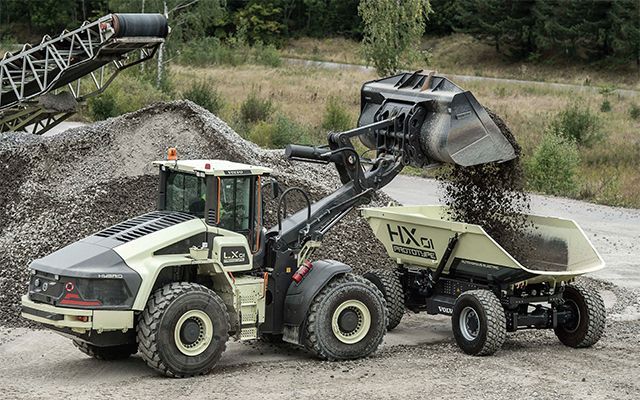
Throughout 2025 and early 2026, manufacturers introduced larger battery-powered excavators, wheel loaders, and dump trucks capable of handling more demanding construction tasks. Improvements in lithium-ion battery systems have contributed to longer operating periods and enhanced efficiency.
Expansion of Charging Infrastructure
Many construction sites have begun integrating temporary charging stations and energy management solutions. This trend supports broader adoption of electric equipment on large projects.
Smart Fleet Management
Advanced telematics systems are increasingly being integrated into electric machinery. These systems allow operators to monitor:
- Battery performance
- Energy consumption
- Equipment utilization
- Maintenance schedules
- Operational efficiency
Focus on Sustainable Construction
Environmental reporting requirements and sustainability objectives have encouraged project stakeholders to evaluate cleaner equipment alternatives. Many infrastructure projects now include environmental performance targets that consider equipment emissions.
Industry Trend Overview
| Trend | Impact on Construction Industry |
|---|---|
| Battery Innovation | Longer equipment runtime |
| Smart Monitoring Systems | Better operational insights |
| Charging Infrastructure | Improved site readiness |
| Sustainability Programs | Increased adoption interest |
| Emission Reduction Goals | Greater regulatory alignment |
Electric Equipment Adoption Trend
Adoption Growth Illustration

2022  ███
2023  █████
2024  ███████
2025  ██████████
2026  ████████████
Illustrative representation showing the increasing industry interest in electric construction technologies.
Laws, Regulations, and Government Policies
Electric construction equipment is influenced by environmental regulations, energy policies, and sustainability programs in many regions.
Governments around the world continue implementing measures that encourage lower-emission technologies across transportation and industrial sectors.
Emission Standards
Construction machinery must often comply with emission standards designed to reduce pollutants such as:
- Nitrogen oxides (NOx)
- Particulate matter (PM)
- Carbon dioxide (CO₂)
Electric equipment can help organizations align with these environmental objectives because battery-powered machines produce little or no direct exhaust emissions during operation.
Climate and Sustainability Programs
Many national and regional climate initiatives encourage cleaner industrial practices. Infrastructure projects increasingly incorporate sustainability targets related to:
- Carbon reduction
- Energy efficiency
- Environmental protection
- Air quality improvement
Workplace Environmental Requirements
Certain urban construction zones and indoor projects have regulations regarding noise and air quality. Electric equipment can support compliance efforts in these environments.
Energy Transition Policies
Several governments have announced long-term plans supporting electrification across transportation, manufacturing, and construction sectors. These policies often contribute to research, innovation, and infrastructure development associated with electric machinery.
Helpful Tools and Resources
Professionals researching electric construction equipment often use various digital resources to evaluate technology trends, performance data, and sustainability metrics.
Equipment Fleet Management Platforms
Fleet management systems help monitor:
- Equipment utilization
- Battery health
- Maintenance records
- Operational efficiency
Examples include telematics and fleet analytics platforms provided by major equipment manufacturers.
Carbon Emissions Calculators
Environmental impact calculators help organizations estimate:
- Carbon footprint reductions
- Emission comparisons
- Sustainability performance metrics
These tools are commonly used during infrastructure planning and environmental reporting.
Energy Consumption Calculators
Energy calculators assist project managers in understanding:
- Power requirements
- Charging schedules
- Equipment energy usage
- Site electricity demand
Industry Research Portals
Useful information can be found through:
- Construction technology publications
- Engineering associations
- Infrastructure research organizations
- Environmental sustainability reports
Project Planning Templates
Construction planners frequently use templates for:
- Fleet transition planning
- Sustainability reporting
- Equipment utilization tracking
- Energy management assessments
Important Factors to Consider
When evaluating electric construction equipment, several practical considerations may influence suitability for specific projects.
Project Environment
Electric machinery can be especially useful in:
- Urban construction areas
- Indoor projects
- Residential developments
- Environmentally sensitive locations
Charging Availability
Access to reliable charging infrastructure remains an important operational consideration.
Equipment Requirements
Different projects require varying power levels, operating durations, and performance capabilities. Equipment selection should align with project objectives and site conditions.
Sustainability Goals
Organizations with environmental reporting requirements may evaluate electric machinery as part of broader sustainability initiatives.
Frequently Asked Questions
What is electric construction equipment?
Electric construction equipment refers to machinery powered by electricity, typically through rechargeable battery systems, rather than traditional diesel engines. Examples include excavators, loaders, forklifts, and compactors.
Why is electric construction equipment becoming more common?
Growing attention to sustainability, emission reduction goals, battery technology improvements, and noise reduction requirements has increased interest in electric machinery across construction projects.
Does electric construction equipment produce emissions?
Battery-powered equipment generally produces little or no direct tailpipe emissions during operation. Overall environmental impact may depend on how the electricity used for charging is generated.
What industries use electric construction equipment?
Electric machinery is used across construction, infrastructure development, industrial facilities, utility projects, urban development, and environmentally sensitive worksites.
What technologies support electric construction equipment?
Key technologies include:
- Lithium-ion batteries
- Battery management systems
- Smart telematics
- Charging infrastructure
- Energy monitoring platforms
- Fleet analytics software
How does electric equipment support sustainability initiatives?
Electric machinery can contribute to lower emissions, reduced noise pollution, improved air quality, and broader environmental objectives commonly associated with sustainable construction practices.
Conclusion
Electric construction equipment represents an important development in modern construction technology. Advances in battery systems, charging infrastructure, smart monitoring tools, and environmental initiatives have expanded the role of electric machinery across many types of projects.
As sustainability goals continue influencing infrastructure and construction planning, electric equipment is expected to remain a significant area of innovation. Understanding current technologies, industry trends, regulatory considerations, and available resources can help stakeholders make informed decisions about the evolving construction landscape.
High-value topics associated with electric construction equipment include sustainable construction technology, green building practices, battery-powered heavy equipment, industrial electrification, fleet management software, carbon emissions tracking, energy efficiency solutions, infrastructure modernization, construction technology innovation, and environmental compliance strategies. These areas continue shaping the future of construction and infrastructure development worldwide.