Explore Car Wash Systems: Complete Knowledge, Basics, Details, Advice, Suggestions, and Helpful Information
Car wash systems are specialized setups designed to clean vehicles efficiently using a combination of water, detergents, brushes, cloth materials, air dryers, and automated technologies. These systems were developed to help maintain vehicle cleanliness while reducing the time and physical effort required for manual washing.
As vehicle ownership has increased globally, maintaining vehicle appearance and protecting exterior surfaces from dirt, dust, road salt, bird droppings, and environmental pollutants has become more important. Car wash systems provide structured cleaning processes that help remove contaminants and support vehicle maintenance.
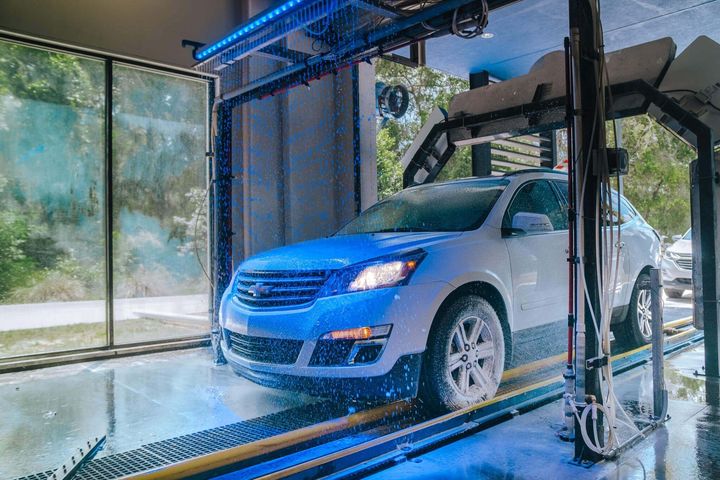
Modern car wash systems range from simple self-service stations to highly automated tunnel systems that use sensors, computerized controls, water recycling technology, and touchless cleaning methods. Advances in automotive technology have encouraged improvements in vehicle cleaning equipment to ensure compatibility with modern vehicle finishes and materials.
Why Car Wash Systems Matter Today
Vehicle cleanliness is often associated with maintenance, visibility, safety, and long-term preservation of exterior surfaces. Dirt accumulation can affect vehicle appearance and, in some environments, contribute to corrosion or damage if left untreated for extended periods.
Car wash systems are important because they help address several common challenges:
- Removal of road grime and contaminants
- Maintenance of vehicle paint surfaces
- Improved visibility through cleaner windows and mirrors
- Efficient water management compared to some traditional washing methods
- Reduced labor requirements through automation
- Consistent cleaning results
The topic affects various groups, including:
- Vehicle owners
- Fleet operators
- Transportation companies
- Automotive maintenance professionals
- Municipal transportation departments
The increasing focus on environmental sustainability has also influenced the development of water-efficient car wash technologies. Many facilities now incorporate filtration systems that recycle and reuse portions of water during the cleaning process.
Common Types of Car Wash Systems
| System Type | Main Characteristics |
|---|---|
| Self-Service Wash | Users operate equipment themselves |
| Automatic In-Bay Wash | Vehicle remains stationary while equipment moves |
| Tunnel Wash System | Vehicle moves through multiple cleaning stages |
| Touchless Wash | Uses high-pressure water and detergents |
| Soft-Touch Wash | Uses cloth or foam cleaning materials |
| Water Recycling System | Filters and reuses water for sustainability |
Recent Updates and Industry Trends
Over the past year, several developments have influenced car wash system technology and operations.
Increased Water Conservation Efforts (2025–2026)
Many regions have introduced stronger water conservation initiatives due to concerns about droughts and water resource management. As a result, car wash operators increasingly use advanced water reclamation systems and filtration technologies.
Growth of Touchless Technology
Touchless systems have continued gaining attention throughout 2025 and 2026. These systems rely on specialized cleaning solutions and high-pressure water rather than physical contact with vehicle surfaces.
Smart Monitoring Systems
Recent innovations include:
- Remote monitoring dashboards
- Equipment performance analytics
- Automated maintenance alerts
- Sensor-based cleaning adjustments
These technologies help improve operational efficiency and reduce unnecessary water or energy consumption.
Energy-Efficient Equipment
Manufacturers have introduced equipment designed to reduce electricity usage through improved motors, variable-frequency drives, and optimized drying systems.
Technology Adoption Trend
| Technology | Adoption Trend |
|---|---|
| Water Recycling | Increasing |
| Touchless Systems | Increasing |
| Smart Sensors | Increasing |
| AI-Based Monitoring | Emerging |
| Energy-Efficient Dryers | Increasing |
Car Wash Technology Growth Illustration
Water Recycling       ██████████
Touchless Systems     █████████
Smart Monitoring      ████████
Energy Efficiency     ████████
AI Analytics          █████
The chart illustrates general technology adoption trends observed across modern car wash operations.
Laws, Regulations, and Policy Considerations
Car wash systems operate within environmental, water management, workplace safety, and wastewater regulations. The specific requirements vary by country, state, province, or municipality.
Common regulatory areas include:
Water Usage Regulations
Many governments regulate commercial water consumption and may require businesses to implement conservation measures, especially in regions experiencing water shortages.
Wastewater Disposal Requirements
Car wash wastewater can contain:
- Oils
- Grease
- Dirt
- Chemicals
- Heavy metals
Environmental regulations often require proper collection, treatment, and disposal before wastewater enters municipal systems.
Chemical Handling Standards
Cleaning agents and detergents may be subject to environmental and workplace safety rules. Facilities are generally expected to follow guidelines for storage, labeling, and usage.
Workplace Safety Requirements
Employees working around machinery, electrical systems, and cleaning chemicals typically operate under occupational safety regulations that emphasize:
- Protective equipment
- Emergency procedures
- Equipment training
- Hazard communication
Sustainability Programs
Many governments encourage water-efficient technologies through environmental programs, sustainability initiatives, or conservation guidelines that promote responsible resource management.
Helpful Tools and Resources
Several tools and resources can help individuals and organizations better understand car wash systems.
Water Usage Calculators
Water consumption calculators help estimate:
- Water usage per vehicle
- Monthly water demand
- Conservation opportunities
Maintenance Tracking Software
Digital maintenance platforms can assist with:
- Equipment inspections
- Service scheduling
- Repair documentation
- Performance monitoring
Environmental Compliance Resources
Useful resources often include:
- Environmental agency guidance documents
- Water conservation manuals
- Wastewater management references
- Sustainability reporting templates
Fleet Management Platforms
Organizations managing multiple vehicles may use fleet management systems to coordinate cleaning schedules and maintenance activities.
Vehicle Care Applications
Many vehicle maintenance apps allow users to:
- Track cleaning history
- Record maintenance events
- Schedule inspections
- Monitor vehicle condition
Useful Resource Categories
| Resource Type | Purpose |
|---|---|
| Water Calculators | Track consumption |
| Maintenance Software | Manage equipment upkeep |
| Compliance Guides | Understand regulations |
| Fleet Platforms | Coordinate vehicle care |
| Vehicle Apps | Track maintenance history |
Best Practices for Understanding Car Wash Systems
When learning about car wash systems, consider the following points:
- Understand the differences between touchless and soft-touch methods.
- Learn how water recycling systems function.
- Review local environmental requirements.
- Monitor developments in automation technologies.
- Consider energy efficiency when evaluating equipment.
- Stay informed about sustainability initiatives affecting vehicle maintenance industries.
Knowledge of these areas can help individuals better understand how modern vehicle cleaning systems operate and evolve.
Frequently Asked Questions
What is a car wash system?
A car wash system is a collection of equipment and technologies used to clean vehicles through automated, semi-automated, or self-service processes involving water, detergents, brushes, air dryers, and control systems.
What is the difference between touchless and soft-touch washing?
Touchless washing uses high-pressure water and cleaning solutions without direct contact. Soft-touch systems use specialized cloth or foam materials that physically contact the vehicle surface during cleaning.
Why are water recycling systems important?
Water recycling systems help reduce overall water consumption by filtering and reusing portions of water used during vehicle cleaning processes, supporting conservation efforts.
Are car wash systems regulated?
Yes. Many jurisdictions regulate water usage, wastewater disposal, environmental protection practices, workplace safety, and chemical handling associated with vehicle washing operations.
How has technology changed car wash systems?
Technology has introduced automation, sensor-based controls, remote monitoring, smart diagnostics, water reclamation systems, and energy-efficient equipment that improve performance and sustainability.
Can car wash systems support environmental goals?
Many modern systems contribute to environmental objectives through water conservation, wastewater treatment, energy-efficient operations, and reduced resource consumption compared with older cleaning methods.
Conclusion
Car wash systems have evolved from basic vehicle cleaning equipment into sophisticated solutions that combine automation, environmental responsibility, and operational efficiency. They play an important role in maintaining vehicle cleanliness while addressing challenges related to water usage, wastewater management, and sustainability.
Recent developments in touchless technology, smart monitoring, water recycling, and energy-efficient equipment demonstrate how the industry continues adapting to modern environmental and technological expectations. Understanding the fundamentals of car wash systems, applicable regulations, available tools, and emerging trends can help readers develop a clearer understanding of this important aspect of automotive maintenance.
As technology continues to advance, car wash systems are likely to become increasingly efficient, data-driven, and environmentally conscious, supporting both vehicle care and broader sustainability goals.