EV Motor Manufacturing Explained: Discover Facts, Details, Information, and Resources
Electric Vehicle (EV) motor manufacturing refers to the design, engineering, production, testing, and assembly of electric motors used to power electric vehicles. Unlike traditional internal combustion engines, EV motors convert electrical energy into mechanical motion, allowing vehicles to move with high efficiency and reduced emissions.
The rise of electric transportation has created significant demand for advanced motor manufacturing technologies. As governments, industries, and consumers focus on sustainability and energy efficiency, electric motors have become a critical component of modern mobility systems.
EV motors are commonly used in passenger vehicles, commercial fleets, buses, industrial transport systems, and emerging mobility solutions. Manufacturers continuously improve motor efficiency, thermal management, power density, and reliability to meet evolving transportation requirements.
Why EV Motor Manufacturing Matters
Electric motor production plays an important role in the broader electric mobility ecosystem. The quality and performance of a motor directly influence vehicle efficiency, acceleration, energy consumption, and driving range.
Several factors contribute to the growing importance of EV motor manufacturing:
• Supports transportation electrification initiatives
• Reduces dependence on fossil-fuel-powered systems
• Encourages innovation in advanced manufacturing technologies
• Improves energy efficiency across mobility sectors
• Contributes to environmental sustainability goals
• Drives research in power electronics and battery integration
The industry affects multiple stakeholders, including automotive manufacturers, engineering companies, technology providers, research institutions, policymakers, and consumers.
One major challenge addressed by EV motor manufacturing is energy conversion efficiency. High-performance motors can convert a larger percentage of electrical energy into motion compared with traditional propulsion systems, helping improve overall vehicle performance.
Common Types of EV Motors
| Motor Type | Key Characteristics | Typical Applications |
|---|---|---|
| Permanent Magnet Synchronous Motor (PMSM) | High efficiency and power density | Passenger EVs |
| Induction Motor | Durable and reliable | Performance vehicles |
| Brushless DC Motor (BLDC) | Low maintenance | Two-wheelers and compact EVs |
| Switched Reluctance Motor | Simple construction | Industrial applications |
| Axial Flux Motor | Compact and lightweight | Advanced EV platforms |
EV Motor Manufacturing Process
The manufacturing process involves several specialized stages designed to ensure performance, durability, and safety.
Design and Engineering
Engineers use computer-aided design (CAD), simulation software, and electromagnetic modeling tools to optimize motor architecture. Key considerations include torque output, efficiency, cooling systems, and operating conditions.
Material Selection
Motor components often use specialized electrical steel, copper windings, permanent magnets, insulation materials, and precision bearings. Material selection influences efficiency, durability, and thermal performance.
Stator Production
The stator serves as the stationary part of the motor. Manufacturers produce laminated steel cores and install copper windings according to specific design requirements.
Rotor Manufacturing
The rotor rotates within the stator's magnetic field. Depending on motor type, the rotor may contain permanent magnets, conductive bars, or other magnetic structures.
Assembly
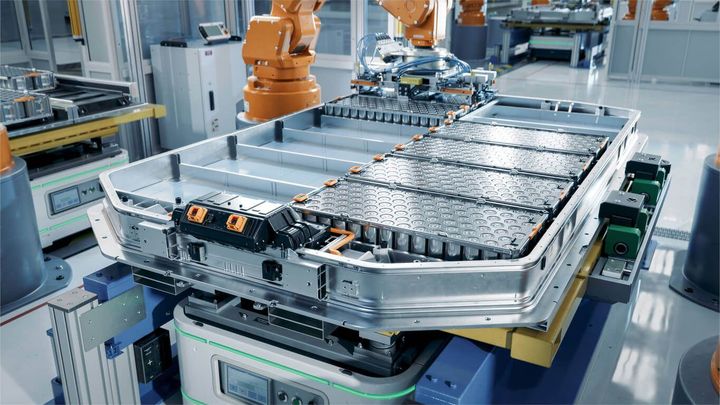
Precision assembly integrates the rotor, stator, housing, cooling systems, sensors, and electronic interfaces. Automation systems frequently assist in maintaining manufacturing consistency.
Testing and Quality Assurance
Manufacturers perform multiple validation procedures, including:
• Efficiency testing
• Thermal performance evaluation
• Noise and vibration analysis
• Durability assessments
• Electrical safety inspections
• Performance benchmarking
EV Motor Manufacturing Ecosystem
The industry relies on interconnected technologies and supply chains.
| Industry Component | Role |
| Electrical Engineering | Motor design and optimization |
| Power Electronics | Motor control systems |
| Automation Technology | Production efficiency |
| Semiconductor Industry | Control units and sensors |
| Battery Technology | Energy supply integration |
| Manufacturing Analytics | Process monitoring |
This interconnected ecosystem has encouraged investment in industrial automation, predictive maintenance, digital manufacturing, and advanced engineering software.
Recent Updates and Industry Trends
The EV motor manufacturing sector experienced several notable developments during 2025 and early 2026.
Manufacturers increasingly focused on reducing dependence on rare-earth materials while maintaining motor efficiency. Research programs explored alternative magnet technologies and improved rotor designs.
Another major trend involved the adoption of axial flux motor technology. Throughout 2025, several automotive companies announced development initiatives aimed at improving power density and reducing motor weight.
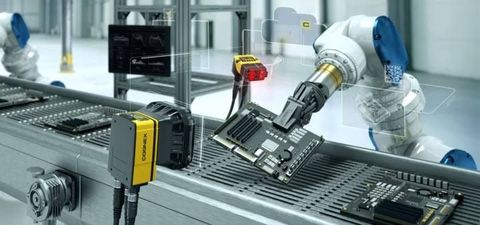
Advanced automation also gained momentum. Many facilities expanded the use of artificial intelligence, machine vision inspection systems, and digital twin technology to enhance manufacturing precision and quality control.
The integration of silicon carbide power electronics continued to attract attention during 2025. These technologies can improve motor control efficiency and support better energy utilization in electric drivetrains.
Additionally, sustainability reporting became more common across manufacturing operations. Companies increasingly measured carbon footprints, energy consumption metrics, and material sourcing transparency as part of environmental compliance programs.
Industry Technology Trends
EV Motor Manufacturing Focus Areas (2026)

Efficiency Improvement      ██████████████
Automation Expansion       █████████████
AI Quality Control         ████████████
Advanced Materials         ███████████
Digital Twin Systems       ██████████
Sustainability Tracking    █████████
Laws, Regulations, and Government Programs
EV motor manufacturing is influenced by various regulatory frameworks that govern safety, environmental performance, energy efficiency, and industrial standards.
Common regulatory areas include:
• Electrical safety standards
• Product certification requirements
• Energy efficiency regulations
• Environmental compliance programs
• Manufacturing quality standards
• Supply chain transparency requirements
Many countries support electric mobility development through research initiatives, innovation funding programs, industrial modernization policies, and clean transportation strategies.
Manufacturers often align operations with internationally recognized standards developed by organizations such as:
• International Organization for Standardization (ISO)
• International Electrotechnical Commission (IEC)
• Society of Automotive Engineers (SAE)
• Regional automotive regulatory authorities
Compliance helps ensure consistency, safety, interoperability, and reliability across the global automotive industry.
Tools and Resources
A variety of digital tools support EV motor design, manufacturing, testing, and research activities.
Engineering Software
• CAD software for motor design
• Electromagnetic simulation platforms
• Finite Element Analysis (FEA) tools
• Computational Fluid Dynamics (CFD) software
Manufacturing Tools
• Digital twin platforms
• Manufacturing execution systems
• Industrial automation software
• Process monitoring dashboards
Data and Analytics Resources
• Energy efficiency calculators
• Production analytics systems
• Quality control software
• Predictive maintenance platforms
Educational Resources
• Engineering research databases
• Technical journals
• Industry white papers
• Professional training programs
Useful Website Categories
• Automotive engineering portals
• Standards organization websites
• Electric mobility research centers
• Manufacturing technology publications
• Academic engineering institutions
Key Industry Keywords
Professionals researching this field often encounter terms such as:
• EV motor manufacturing
• Electric vehicle technology
• Industrial automation
• Motor control systems
• Power electronics
• Advanced manufacturing
• Energy efficiency solutions
• Electromagnetic simulation
• Electric drivetrain technology
• Digital manufacturing
• Smart factory systems
• Engineering software
• Predictive maintenance
• Supply chain analytics
• Industrial engineering
These topics frequently appear in industry research, educational resources, and technical publications.
Frequently Asked Questions
What is the primary function of an EV motor?
An EV motor converts electrical energy from the vehicle's battery into mechanical energy that drives the wheels and enables vehicle movement.
Which type of motor is most commonly used in electric vehicles?
Permanent Magnet Synchronous Motors (PMSMs) are widely used because of their high efficiency, strong performance, and compact design.
Why is motor efficiency important?
Higher efficiency means more electrical energy is converted into motion, which can improve overall vehicle performance and energy utilization.
How does automation help EV motor manufacturing?
Automation improves production consistency, quality control, precision assembly, and operational efficiency while reducing manufacturing variability.
What technologies are shaping the future of EV motors?
Key technologies include artificial intelligence, advanced materials, digital twins, silicon carbide electronics, predictive analytics, and next-generation motor architectures.
Conclusion
EV motor manufacturing represents a critical part of the global transition toward electric mobility. The industry combines electrical engineering, automation, advanced materials, and digital technologies to create efficient propulsion systems for modern transportation.
Recent developments have focused on improving efficiency, reducing material dependency, enhancing sustainability, and expanding automation capabilities. Regulatory frameworks and international standards continue to shape manufacturing practices while supporting safety and reliability.
As electric transportation technologies evolve, EV motor manufacturing will remain an important area of innovation, research, and industrial development. Understanding the processes, technologies, regulations, and resources involved provides valuable insight into one of the most significant engineering fields shaping the future of mobility.