What ERP Software Is and Why It Exists
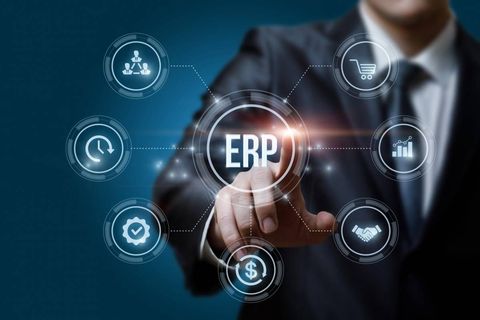
Enterprise Resource Planning (ERP) software is a type of business management system designed to integrate and manage core organizational processes in one centralized platform. These processes typically include finance, human resources, inventory, procurement, customer relationship management, and supply chain operations.
ERP systems were developed to solve the problem of disconnected data. In earlier business environments, departments often used separate tools for different functions. This led to duplication of data, inconsistencies, and communication gaps. ERP software addresses these challenges by bringing all data into a unified system.
Learning ERP software means understanding how these integrated systems function and how they support daily business operations. It involves gaining knowledge of workflows, modules, data management, and reporting tools.
Modern ERP platforms have evolved significantly. They now include cloud-based access, mobile compatibility, and advanced analytics. Some systems also incorporate artificial intelligence and automation, which further enhance efficiency and decision-making.
Why Learning ERP Software Matters Today
ERP software has become essential in today’s digital economy. Organizations rely on accurate and real-time data to make decisions, manage resources, and maintain compliance. Learning ERP software is relevant for students, professionals, business owners, and analysts who interact with business systems.
One key reason ERP knowledge is important is the increasing adoption of digital transformation strategies. Businesses are shifting toward integrated systems to improve productivity and reduce operational complexity.
ERP systems help solve several common problems:
-
Data fragmentation across departments
-
Inefficient manual processes
-
Delayed reporting and decision-making
-
Lack of visibility into business performance
By learning ERP software, individuals can understand how businesses streamline operations and maintain consistency across functions.
Key advantages of ERP knowledge include:
-
Improved understanding of business workflows
-
Ability to interpret real-time business data
-
Enhanced efficiency in managing tasks and processes
-
Better collaboration across departments
Core ERP Modules and Their Functions
ERP systems are typically divided into modules, each focusing on a specific business function. Understanding these modules is a key step in learning ERP software.
| Module Name | Function Description |
|---|
| Finance | Manages accounting, budgeting, and reporting |
| Human Resources | Handles employee data and payroll |
| Inventory | Tracks stock levels and warehouse operations |
| Procurement | Manages purchasing and supplier data |
| Sales | Tracks orders, billing, and customer data |
| Supply Chain | Oversees logistics and distribution |
Each module interacts with others, ensuring seamless data flow across the organization.
Recent Trends in ERP Learning and Technology (2025–2026)
ERP systems have undergone rapid changes in the past year, making learning more dynamic and accessible.
Cloud-Based Learning Platforms (2025)
Cloud ERP platforms have expanded significantly, allowing users to learn and practice from any location. Systems like Microsoft Dynamics 365 and NetSuite ERP provide web-based environments for training and simulation.
AI-Enhanced ERP Training (2025)
Artificial intelligence is being integrated into ERP learning tools. AI can guide users through workflows, suggest improvements, and provide automated feedback.
Microlearning and Certification Programs (2026)
Short, focused learning modules have become popular. These programs help learners understand specific ERP functions without needing long training sessions.
Industry-Specific ERP Learning (2026)
Training programs are increasingly tailored to industries such as healthcare, manufacturing, and retail. This helps learners apply ERP concepts in real-world scenarios.
Low-Code and No-Code Interfaces (2025–2026)
ERP platforms now include simplified interfaces that allow users to configure workflows without extensive programming knowledge.
ERP Learning Curve Overview
| Learning Stage | Key Focus Area |
|---|
| Beginner | Basic concepts and navigation |
| Intermediate | Module-specific operations |
| Advanced | Data analysis and customization |
| Expert | System integration and automation |
Laws and Policy Considerations in ERP Usage
ERP systems must comply with various legal and regulatory requirements, especially when handling financial and personal data. In India, several laws influence how ERP software is used and implemented.
Data Protection Regulations
The Digital Personal Data Protection Act, 2023 governs how organizations collect, process, and store personal data. ERP systems must ensure data privacy and secure access.
Tax Compliance (GST)
ERP software plays a critical role in managing Goods and Services Tax (GST). Accurate tax calculation and reporting are essential for compliance.
Corporate Governance Standards
Organizations must maintain transparent financial records. ERP systems help ensure proper documentation and audit readiness.
Cybersecurity Guidelines
Guidelines from Indian Computer Emergency Response Team emphasize the importance of protecting digital infrastructure. ERP systems should include strong security features such as encryption and access controls.
International Regulations
For global operations, ERP systems may need to comply with regulations like GDPR or other regional standards.
Tools and Resources for Learning ERP Software
There are several platforms and tools available to help individuals learn ERP systems effectively. These resources range from software platforms to analytics tools and educational materials.
Popular ERP Platforms for Practice
-
SAP S/4HANA
-
Oracle Fusion Cloud ERP
-
Microsoft Dynamics 365
-
NetSuite ERP
Data Analysis and Reporting Tools
Learning Resources
-
Online ERP tutorials and documentation
-
Business process management guides
-
Practice datasets for ERP simulations
Templates and Study Aids
-
ERP workflow diagrams
-
Financial reporting templates
-
Inventory tracking sheets
Best Practices for Learning ERP Software
Learning ERP software can be complex, but following structured approaches makes the process more manageable.
Start with Fundamentals
Begin by understanding basic business processes such as accounting, procurement, and inventory management.
Focus on One Module at a Time
Learning one module thoroughly helps build confidence and clarity.
Use Real-World Scenarios
Practice with examples like order processing or payroll management to understand workflows.
Work with Data
Hands-on experience with data entry, reporting, and analysis is essential.
Stay Updated with Trends
ERP systems evolve frequently, so keeping up with new features and technologies is important.
Frequently Asked Questions About Learning ERP Software
What is the best way to start learning ERP software?
Start with basic concepts of business processes and then explore a specific ERP platform. Hands-on practice is essential for better understanding.
How long does it take to learn ERP systems?
The learning time depends on the depth of knowledge required. Basic understanding may take a few weeks, while advanced expertise can take several months.
Do I need programming knowledge to learn ERP?
Programming is not always required. Many ERP systems offer user-friendly interfaces and low-code features.
Which industries use ERP software the most?
ERP systems are widely used in manufacturing, retail, healthcare, logistics, and finance sectors.
Is ERP software difficult to learn?
ERP systems can be complex, but structured learning and practice make them easier to understand over time.
Conclusion
Learning ERP software is an important step toward understanding modern business operations. These systems play a central role in managing data, improving efficiency, and supporting decision-making across organizations.
With the rise of cloud computing, artificial intelligence, and automation, ERP systems are becoming more advanced and accessible. Recent trends show a shift toward user-friendly interfaces, industry-specific solutions, and flexible learning methods.
At the same time, compliance with data protection laws and cybersecurity guidelines remains essential. Organizations and learners must ensure that ERP systems are used responsibly and securely.
By focusing on core concepts, practicing regularly, and staying updated with new developments, individuals can build a strong foundation in ERP software and better understand how businesses operate in a digital environment.