Electrical Enclosure Guide: Basics, Types, Tips, Insights, and Installation Advice
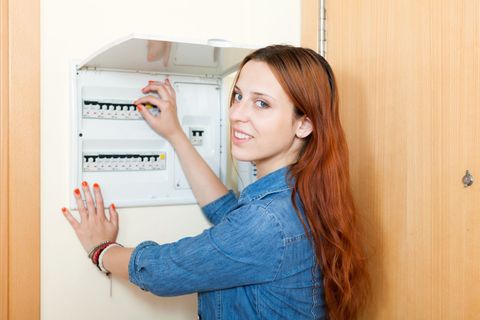
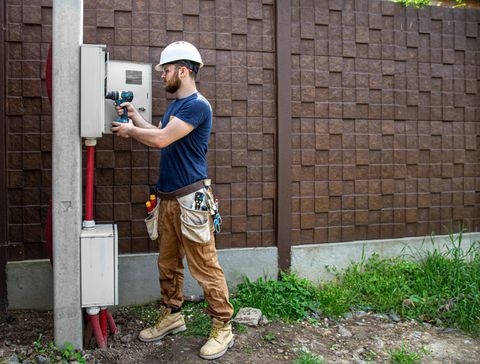
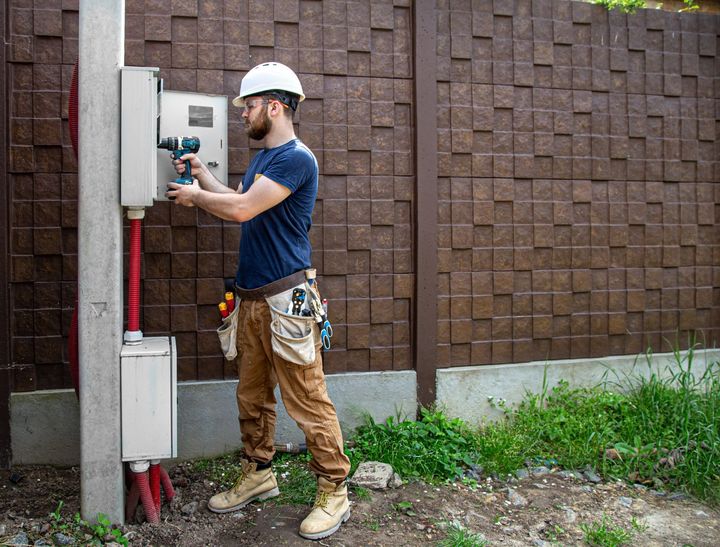
Electrical enclosures are protective housings designed to safely contain electrical components such as wiring, switches, circuit breakers, and control panels. These structures act as a barrier between sensitive equipment and external elements like dust, moisture, heat, chemicals, and physical impact.
What Electrical Enclosures Are and Why They Exist
In both residential and industrial environments, electrical systems are exposed to risks that can lead to equipment failure or safety hazards. To reduce these risks, different enclosure designs—such as an outdoor electrical enclosure waterproof or an explosion proof electrical enclosure—are used based on the environment and application.
Modern enclosures also support organization, improve maintenance access, and help meet safety standards. From simple junction boxes to large industrial cabinets, enclosures are an essential part of electrical infrastructure.
Importance – Why Electrical Enclosures Matter Today
Electrical enclosures are increasingly important due to the growing complexity of electrical systems and stricter safety regulations. They are widely used in industries such as manufacturing, energy, telecommunications, and construction.
Key reasons why they matter:
- Protect equipment from environmental damage (water, dust, corrosion)
- Reduce risk of electrical hazards like shocks or short circuits
- Ensure compliance with safety standards such as nema rated electrical enclosures
- Support efficient system organization and maintenance
- Enable safe operation in hazardous locations using explosion-resistant designs
With the expansion of smart infrastructure and automation, enclosures are now designed to support cooling, monitoring, and modular configurations, making them more advanced than traditional designs.
Types – Common Electrical Enclosure Categories
Electrical enclosures are available in various forms depending on material, design, and application.
Based on Protection Level
- IP65 electrical enclosure box: Protects against dust and low-pressure water jets
- Weatherproof electrical box outdoor: Designed for outdoor exposure to rain and sunlight
- Explosion proof electrical enclosure: Used in hazardous areas with flammable gases or dust
Based on Material
- Aluminum electrical enclosure: Lightweight, corrosion-resistant, suitable for outdoor use
- Stainless steel enclosures: Durable and ideal for harsh industrial environments
- Polycarbonate or plastic enclosures: Lightweight and cost-effective for basic applications
Based on Size and Application
- Junction box enclosure outdoor: Small enclosures for connecting electrical wires
- Large electrical enclosures industrial: Used for complex systems and control panels
- Wall-mounted enclosures: Installed on walls for easy access
- Floor-standing cabinets: Used in industrial facilities
Based on Design Features
- Modular electrical enclosure systems: Customizable units that can be expanded
- Enclosures with electrical enclosure cooling systems: Designed to regulate internal temperature
Benefits and Applications
Electrical enclosures provide multiple functional and safety benefits across different industries.
Key Benefits
- Protect against environmental hazards (dust, water, chemicals)
- Improve electrical safety and reduce accident risks
- Extend the lifespan of electrical components
- Enable organized cable management
- Support compliance with international standards
Common Applications
- Power distribution systems in buildings
- Industrial automation and machinery control
- Renewable energy setups like solar panels
- Telecommunications infrastructure
- Oil and gas facilities using explosion-proof enclosures
Example Application Table
| Application Area | Enclosure Type Used | Key Feature |
|---|---|---|
| Residential Wiring | Junction box enclosure outdoor | Basic protection |
| Industrial Plants | Large electrical enclosures industrial | High durability |
| Outdoor Installations | Weatherproof electrical box outdoor | Water and UV resistance |
| Hazardous Environments | Explosion proof electrical enclosure | Fire and explosion resistance |
| Smart Systems | Modular electrical enclosure systems | Expandability and flexibility |
Top 5 Leading Provider Company Names
Several global companies are known for manufacturing electrical enclosures with advanced designs and compliance standards:
- Schneider Electric
- ABB
- Siemens
- Eaton
- Rittal
These companies offer a wide range of enclosure solutions, including modular systems, climate-controlled cabinets, and high-protection designs.
Recent Updates – Trends and Developments (2025–2026)
The electrical enclosure industry has seen several notable developments in the past year:
- 2025: Increased adoption of smart enclosures with built-in sensors for temperature and humidity monitoring
- Mid-2025: Growth in demand for electrical enclosure cooling systems due to rising use of high-performance electronics
- Late 2025: Expansion of modular designs allowing easier upgrades and scalability
- 2026: Focus on sustainable materials such as recyclable aluminum and eco-friendly coatings
- Integration with IoT systems for remote monitoring and predictive maintenance
These trends reflect the shift toward smarter, safer, and more efficient electrical infrastructure.
Laws or Policies – Regulations and Compliance
Electrical enclosures are subject to various safety standards and regulations depending on the country and application.
Common Standards
- NEMA (National Electrical Manufacturers Association) ratings
- IP (Ingress Protection) ratings such as IP65
- IEC (International Electrotechnical Commission) standards
In India
- Compliance with Bureau of Indian Standards (BIS) guidelines
- Adherence to the National Electrical Code (NEC) India
- Industrial installations may require additional safety certifications
Regulatory Focus Areas
- Protection against environmental hazards
- Fire and explosion safety in hazardous zones
- Proper grounding and insulation
- Safe installation practices
Following these regulations helps ensure safety, reliability, and legal compliance.
Tools and Resources
Various tools and resources can assist in selecting, installing, and maintaining electrical enclosures.
Useful Tools
- IP rating calculators for determining protection levels
- Thermal management tools for enclosure cooling design
- CAD software for enclosure layout planning
Online Resources
- Manufacturer specification sheets and technical guides
- Industry standards documentation (IEC, NEMA)
- Electrical safety guidelines from government portals
Templates and Checklists
- Installation safety checklists
- Maintenance inspection templates
- Compliance documentation formats
These resources help improve accuracy and efficiency in enclosure selection and use.
FAQs
What is an IP65 electrical enclosure box?
An IP65 enclosure is designed to protect against dust and water jets from any direction, making it suitable for outdoor and industrial environments.
When should an explosion proof electrical enclosure be used?
It is used in hazardous areas where flammable gases, vapors, or dust are present, such as oil and gas facilities.
What materials are best for outdoor electrical enclosures?
Materials like aluminum, stainless steel, and polycarbonate are commonly used due to their durability and resistance to weather conditions.
Why are electrical enclosure cooling systems important?
Cooling systems help maintain safe internal temperatures, preventing overheating and extending equipment lifespan.
What are modular electrical enclosure systems?
These are flexible enclosures that can be expanded or customized based on changing system requirements.
Conclusion
Electrical enclosures play a critical role in protecting electrical systems, ensuring safety, and supporting efficient operation across various industries. With options ranging from simple junction boxes to advanced modular systems, selecting the right enclosure depends on environmental conditions, application needs, and compliance requirements.
Modern trends such as smart monitoring, improved cooling solutions, and sustainable materials are shaping the future of enclosure design. By understanding different types, benefits, and regulatory considerations, users can make informed decisions and maintain reliable electrical systems.
Disclaimer:
Information provided is for general educational purposes. Specifications, standards, or technical requirements may vary by region and application. Always refer to official guidelines and qualified professionals for precise implementation.