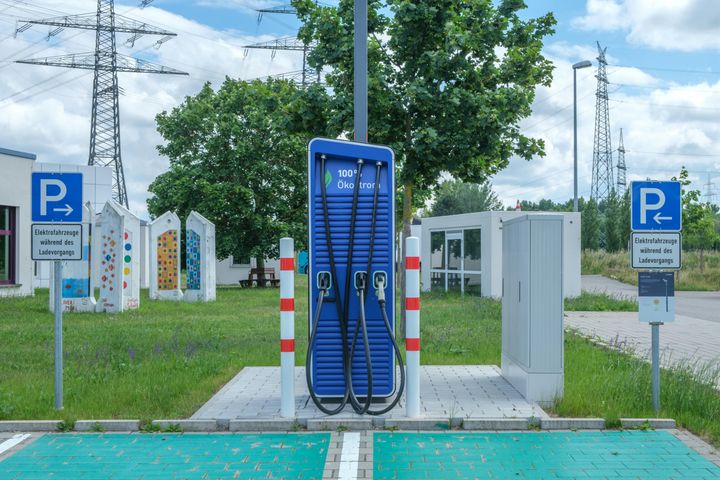
Electric Vehicle Charging Stations Explained: Installation, Safety, and Infrastructure Information
Electric Vehicle (EV) charging stations are systems designed to supply electrical energy to rechargeable vehicles. These stations serve as critical infrastructure that supports the growing adoption of electric transportation by enabling vehicle batteries to recharge safely and efficiently.
As governments, businesses, and transportation agencies pursue cleaner mobility solutions, charging infrastructure has become an essential component of modern transportation networks. Charging stations can be installed in residential areas, commercial properties, workplaces, public parking facilities, highways, and transportation hubs.
High CPC keywords associated with this topic include EV charging infrastructure, electric vehicle charging systems, smart charging technology, commercial charging stations, renewable energy integration, charging network management, energy management systems, and sustainable transportation solutions.
The continued growth of electric mobility has increased interest in charging technologies, installation standards, and infrastructure planning worldwide.
Why EV Charging Infrastructure Matters Today
The adoption of electric vehicles depends heavily on the availability of reliable charging infrastructure. Without accessible charging networks, electric transportation can face operational limitations and reduced convenience.
Key reasons charging infrastructure matters include:
- Supports electric vehicle adoption
- Improves transportation accessibility
- Encourages sustainable mobility initiatives
- Supports urban and highway travel
- Enhances energy management capabilities
- Reduces dependence on traditional fuel systems
Charging infrastructure affects vehicle owners, transportation planners, energy providers, property developers, municipalities, and environmental organizations.
As more regions invest in electrified transportation systems, charging stations continue playing a central role in mobility planning.
Types of Electric Vehicle Charging Stations
Different charging technologies are designed to meet varying operational requirements.
| Charging Type | Typical Application | Charging Characteristics |
|---|---|---|
| Level 1 Charging | Residential use | Standard electrical connection |
| Level 2 Charging | Homes and workplaces | Faster charging capability |
| DC Fast Charging | High-traffic locations | Rapid battery charging |
| Smart Charging Systems | Connected infrastructure | Energy management integration |
| Fleet Charging Systems | Commercial transportation | Multi-vehicle support |
These charging categories help accommodate diverse transportation and infrastructure needs.
How EV Charging Stations Work
Charging stations transfer electrical energy from the power grid to a vehicle's battery system through specialized charging equipment.
The basic process includes:
- Electrical power delivery
- Communication between vehicle and charger
- Battery charging management
- Safety monitoring systems
- Energy usage tracking
Modern charging systems often include software platforms that help manage charging schedules, monitor energy consumption, and support infrastructure optimization.
Installation Basics
EV charging station installation requires careful planning and compliance with applicable electrical and safety standards.
Important installation considerations include:
- Electrical capacity assessment
- Site accessibility
- Equipment compatibility
- Network connectivity requirements
- Environmental conditions
- Safety compliance standards
Infrastructure planners often evaluate power availability, user demand, parking layouts, and future expansion requirements when designing charging facilities.
Charging Infrastructure Components
| Component | Primary Function |
|---|---|
| Charging Unit | Supplies electrical energy |
| Power Distribution System | Delivers electricity |
| Communication Module | Supports data exchange |
| Monitoring Software | Tracks charging activity |
| Safety Controls | Protects equipment and users |
These components work together to provide reliable charging operations.
Industry Examples and Infrastructure Development
Several organizations contribute to the development of electric vehicle charging technologies, energy management systems, and transportation infrastructure.
Companies such as Tesla, ChargePoint, ABB, Siemens, and Shell Recharge are frequently associated with charging infrastructure development, energy systems, and transportation technology innovation.
Additional organizations including EVgo and Blink Charging also participate in the broader charging ecosystem.
These examples are provided solely for educational purposes and to illustrate participation within the electric mobility sector.
Recent Trends and Updates (2025–2026)
The EV charging sector has experienced significant growth and innovation over the past year.
Key developments include:
- Expansion of public charging networks
- Increased deployment of ultra-fast charging technologies
- Greater integration of renewable energy systems
- Growth of smart charging management platforms
- Improved interoperability between charging networks
- Increased investment in highway charging corridors
Many countries continue implementing transportation electrification initiatives that support charging infrastructure expansion and modernization.
Safety Considerations
Safety remains a critical aspect of charging station design and operation.
Common safety priorities include:
- Electrical protection systems
- Equipment inspection procedures
- Temperature monitoring
- Ground fault protection
- Emergency shutdown capabilities
- Secure cable management
Modern charging systems are typically designed with multiple layers of safety controls to support reliable operation.
Smart Charging and Energy Management
Smart charging technologies allow charging infrastructure to communicate with vehicles, energy networks, and management platforms.
Benefits of smart charging include:
- Better energy utilization
- Reduced grid stress
- Charging schedule optimization
- Enhanced monitoring capabilities
- Improved infrastructure efficiency
As digital energy systems evolve, smart charging is becoming increasingly important within modern transportation networks.
Laws and Policies Affecting EV Charging Infrastructure
Charging infrastructure is influenced by transportation, energy, environmental, and electrical regulations.
Important considerations include:
- Electrical installation standards
- Building and infrastructure codes
- Transportation electrification policies
- Energy efficiency regulations
- Environmental sustainability initiatives
- Grid interconnection requirements
Many governments have introduced programs supporting electric mobility infrastructure as part of broader transportation and sustainability objectives.
These policies help guide infrastructure development while maintaining safety and operational standards.
Tools and Resources
Various tools support planning, monitoring, and understanding EV charging infrastructure.
Useful resources include:
- EV charging locator platforms
- Energy consumption calculators
- Infrastructure planning tools
- Smart charging management software
- Grid integration resources
- Transportation research publications
These resources help stakeholders better understand charging technologies and infrastructure planning considerations.
Frequently Asked Questions
What is an EV charging station?
An EV charging station is equipment that supplies electrical energy to recharge electric vehicle batteries.
What are the main charging levels?
Common charging categories include Level 1, Level 2, and DC Fast Charging systems.
Why is charging infrastructure important?
It supports electric transportation by providing accessible locations where vehicles can recharge.
What is smart charging?
Smart charging uses connected technologies to optimize energy usage, charging schedules, and infrastructure management.
What are major trends in 2026?
Ultra-fast charging deployment, renewable energy integration, smart charging systems, and expanded charging networks are among the leading trends.
Conclusion
Electric vehicle charging stations are a foundational component of modern transportation infrastructure. They enable electric mobility by providing safe, reliable, and accessible energy delivery systems for vehicle charging.
Advancements in charging technology, energy management, smart infrastructure, and transportation electrification continue shaping the future of the industry. Understanding charging station types, installation considerations, safety principles, infrastructure development, and emerging trends helps readers gain a broader perspective on the evolving role of EV charging within global transportation networks.
Disclaimer
This article is intended solely for informational and educational purposes. It does not promote, advertise, recommend, or endorse any electric vehicle manufacturer, charging network operator, equipment provider, or commercial organization. Company names mentioned are included only as examples within discussions of EV infrastructure and technology developments. The content should not be interpreted as engineering, legal, financial, or professional installation advice.