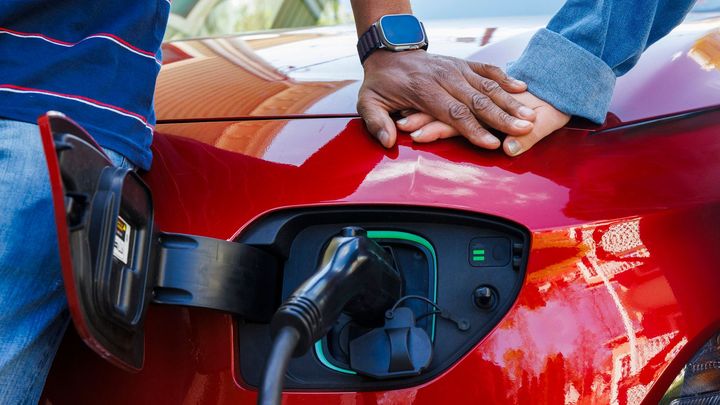
Electric Vehicle Accessories Guide: Explore Tips, Insights, Advice, and Helpful Information
Electric vehicle (EV) accessories are products, technologies, and supporting tools designed to improve the functionality, safety, convenience, and performance of electric vehicles. As EV adoption continues to grow globally, drivers increasingly rely on accessories that help manage charging, battery health, navigation, connectivity, and vehicle protection.
Unlike traditional vehicles that depend on fuel systems, electric vehicles rely on batteries and charging infrastructure. This creates a need for specialized accessories that support everyday driving and long-term vehicle maintenance.
Common examples include charging cables, charging station equipment, battery monitoring systems, vehicle diagnostic tools, mobile applications, protective covers, smart navigation systems, and energy management devices.
The purpose of these accessories is not only to improve the driving experience but also to help users understand energy consumption, optimize charging habits, and maintain vehicle efficiency.
Why Electric Vehicle Accessories Matter Today
The rapid growth of electric mobility has increased the importance of reliable and efficient EV accessories. As more consumers transition from conventional vehicles to electric transportation, they often face new challenges related to charging, battery management, and vehicle connectivity.
EV accessories help address several practical concerns:
- Improving charging convenience
- Supporting battery monitoring and maintenance
- Enhancing driving safety
- Increasing navigation accuracy
- Providing real-time vehicle information
- Improving energy efficiency
These accessories affect multiple groups, including:
| User Group | Primary Benefit |
|---|---|
| Daily Commuters | Convenient charging and route planning |
| Fleet Operators | Energy monitoring and operational efficiency |
| Long-Distance Drivers | Access to charging information and navigation |
| Property Owners | Home charging management |
| Businesses | Workplace charging coordination |
As governments and industries invest in sustainable transportation, supporting technologies and accessories become increasingly important for efficient vehicle operation.
Recent Trends and Developments in Electric Vehicle Accessories
The electric vehicle ecosystem has experienced significant advancements during 2025 and early 2026. Manufacturers, technology providers, and infrastructure developers have introduced new solutions focused on connectivity, charging efficiency, and energy management.
Several notable trends include:
Smart Charging Technology
Smart charging systems have become more sophisticated. Many modern charging solutions now support scheduling features, remote monitoring, energy usage tracking, and grid optimization capabilities.
Vehicle-to-Home Integration
Vehicle-to-home (V2H) technology continues to attract attention. This approach allows compatible EV batteries to provide temporary power to homes during outages or periods of high electricity demand.
Artificial Intelligence-Based Battery Monitoring
Advanced battery management systems increasingly use predictive analytics and AI-driven insights to monitor battery health, charging patterns, and performance indicators.
Wireless Charging Research
Several automotive manufacturers and technology companies have continued testing wireless charging systems that allow vehicles to charge without physical cable connections.
Enhanced Mobile Applications
Many EV-related applications now provide:
- Real-time charging station availability
- Route optimization
- Battery performance analytics
- Charging history reports
- Energy consumption tracking
Electric Vehicle Accessory Technology Trends
| Technology Area | Current Focus |
|---|---|
| Smart Charging Systems | Energy optimization |
| Battery Monitoring | Predictive maintenance |
| Navigation Tools | Charging-aware route planning |
| Vehicle Connectivity | Real-time diagnostics |
| Energy Management | Consumption analytics |
| Charging Infrastructure | Faster charging capabilities |
Regulations and Government Policies Affecting EV Accessories
Electric vehicle accessories are often influenced by transportation regulations, energy policies, safety standards, and environmental programs.
Many countries have introduced regulations covering:
- Charging equipment safety standards
- Electrical installation requirements
- Vehicle communication protocols
- Battery recycling procedures
- Energy efficiency guidelines
Governments also support EV ecosystems through infrastructure development programs and sustainability initiatives. These efforts encourage the expansion of charging networks and promote compatibility between vehicles and charging equipment.
Safety certification requirements are particularly important for:
- Home charging equipment
- Public charging systems
- Electrical connectors
- Battery management devices
Manufacturers generally must comply with recognized electrical and automotive safety standards before introducing products into regulated markets.
Environmental regulations also influence battery handling, recycling procedures, and the lifecycle management of electric vehicle components.
Helpful Tools and Resources for Electric Vehicle Owners
A variety of digital tools and resources help drivers better understand and manage their electric vehicles.
Charging Station Locator Apps
These applications help drivers locate nearby charging stations, view charger types, and check station availability.
Useful features include:
- Real-time status updates
- Route planning assistance
- Charging network information
- Navigation support
EV Range Calculators
Range calculators estimate vehicle driving distance based on factors such as:
- Battery capacity
- Driving speed
- Weather conditions
- Terrain
- Energy consumption
Battery Monitoring Platforms
Battery management platforms provide information about:
- Battery health
- Charge cycles
- Charging efficiency
- Performance trends
Energy Consumption Trackers
These tools help users analyze electricity usage and identify opportunities for improving efficiency.
Vehicle Diagnostic Applications
Diagnostic tools allow drivers to monitor:
- System alerts
- Battery status
- Charging performance
- Vehicle health metrics
Common EV Resources and Their Functions
| Resource Type | Purpose |
|---|---|
| Charging Locator Apps | Find charging stations |
| Range Calculators | Estimate driving range |
| Battery Monitoring Tools | Track battery condition |
| Diagnostic Applications | Monitor vehicle systems |
| Route Planning Platforms | Optimize travel routes |
| Energy Tracking Tools | Analyze electricity usage |
Frequently Asked Questions
What are electric vehicle accessories?
Electric vehicle accessories are tools, devices, and technologies designed to support EV operation, charging, safety, maintenance, and connectivity. Examples include charging cables, battery monitoring systems, diagnostic tools, and navigation applications.
Why are charging accessories important for EV owners?
Charging accessories help ensure safe and efficient energy transfer between charging infrastructure and the vehicle. They can improve convenience, energy management, and charging reliability.
Can EV accessories help improve battery health?
Certain battery monitoring and management tools provide insights into charging behavior and battery condition. These tools can help users make informed decisions about charging practices and maintenance.
Are EV accessories regulated?
Many accessories, particularly charging equipment and electrical components, are subject to safety standards, certification requirements, and regulatory guidelines established by government agencies and industry organizations.
What technologies are shaping future EV accessories?
Emerging technologies include smart charging systems, wireless charging research, AI-powered battery monitoring, vehicle-to-home integration, advanced diagnostic platforms, and enhanced connectivity solutions.
Conclusion
Electric vehicle accessories play an increasingly important role in modern transportation. As EV technology evolves, supporting tools and equipment help drivers manage charging, monitor battery performance, improve safety, and enhance overall vehicle efficiency.
Recent advancements in smart charging systems, battery analytics, and connectivity solutions demonstrate how the EV ecosystem continues to expand beyond the vehicle itself. At the same time, regulations and safety standards help ensure that accessories remain reliable and compatible with evolving transportation infrastructure.
By understanding available tools, technologies, and resources, individuals and organizations can make more informed decisions about electric vehicle usage and long-term mobility planning. As sustainable transportation continues to grow, EV accessories will remain a key component of the broader electric mobility landscape.