Table of Contents

Discover the Advantages of Second Hand Rims: Information, Suggestions, Basics, Insights, and Help Resources

Discover the Advantages of Second Hand Rims: Information, Suggestions, Basics, Insights, and Help Resources

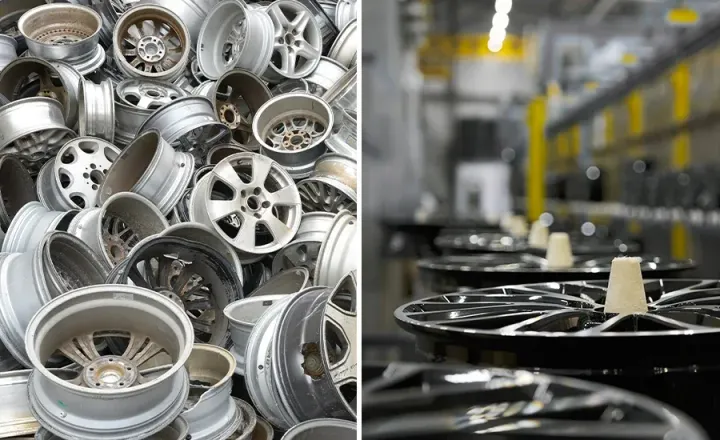
Second hand rims are previously used wheel rims that have been removed from a vehicle and made available for reuse. A rim forms an essential part of the wheel assembly and supports the tire while helping maintain vehicle stability, handling, and performance.


The concept of reusing rims exists because vehicle components often remain functional long after a vehicle is retired, upgraded, or repaired. Many drivers replace rims due to cosmetic preferences, wheel upgrades, changes in vehicle style, or minor damage that does not affect the entire wheel set. As a result, many rims continue to have usable life and can be inspected, refurbished, and reused.

Modern rims are commonly manufactured from steel or aluminum alloy materials. These materials are designed to withstand significant stress, making them suitable for long-term use when maintained properly. Reusing automotive components also aligns with broader sustainability goals by extending product life cycles and reducing material waste.

Second hand rims are found across various vehicle categories, including passenger cars, sport utility vehicles, commercial vans, and light trucks. Their availability has grown alongside the expansion of automotive recycling and refurbishment industries.

Why Second Hand Rims Matter Today

Second hand rims have become increasingly relevant due to growing awareness of resource conservation, automotive sustainability, and responsible vehicle maintenance.

Vehicle owners often seek practical solutions when replacing damaged wheels or restoring older vehicles. In many cases, previously used rims provide access to original equipment specifications that may no longer be in active production.

The importance of second hand rims extends beyond individual vehicle owners. Several groups benefit from understanding this topic:

• Drivers maintaining older vehicles

• Automotive students and technicians

• Vehicle restoration enthusiasts

• Fleet management professionals

• Environmental sustainability advocates

One of the major advantages is resource efficiency. Manufacturing new rims requires raw materials, energy consumption, and industrial processing. Extending the life of existing rims helps reduce the demand for additional manufacturing resources.

Another benefit is availability. Certain vehicle models require specific wheel dimensions, bolt patterns, and offsets. Previously used rims can help maintain compatibility with original vehicle specifications.

The following table highlights common advantages associated with properly inspected second hand rims.

AdvantageExplanation
Resource ConservationExtends the usable life of materials
Reduced Manufacturing DemandHelps lower raw material consumption
Vehicle CompatibilitySupports original wheel specifications
Restoration SupportUseful for classic and discontinued models
Circular Economy ContributionEncourages component reuse and recycling
Material RecoveryPrevents unnecessary disposal of usable parts

Recent Updates and Industry Trends

Over the past year, several developments have influenced the automotive wheel and rim sector.

During 2025 and early 2026, automotive recycling organizations in multiple regions reported increased attention toward circular economy practices. Governments, manufacturers, and environmental agencies have continued encouraging reuse and recycling initiatives within the automotive industry.

Vehicle sustainability programs have highlighted the importance of extending the lifecycle of automotive components. Wheels and rims are frequently cited as reusable parts when they meet safety inspection requirements.

Another notable trend is the growth of digital wheel inspection technology. Advanced imaging systems and diagnostic equipment are increasingly used by automotive workshops to detect cracks, bends, corrosion, and structural defects.

The rise of electric vehicles has also influenced wheel design discussions. Manufacturers have focused on lightweight alloy rims that contribute to improved vehicle efficiency and range performance. As these vehicles age, interest in inspecting and reusing compatible rims is expected to continue growing.

The chart below illustrates general industry interest trends related to wheel reuse and automotive recycling.

YearIndustry Interest Level
2022Moderate
2023Moderate to High
2024High
2025Very High
2026Growing

This trend reflects broader environmental awareness and increased attention to sustainable automotive practices.

Laws, Regulations, and Policy Considerations

The use of second hand rims is influenced by vehicle safety regulations, transportation standards, and consumer protection policies in many countries.

Regulations generally focus on ensuring that wheel components meet safety requirements before being installed on a vehicle. While rules vary by jurisdiction, several common principles apply:

• Rims should be structurally sound.

• Wheels must match vehicle specifications.

• Damaged or cracked rims may fail safety inspections.

• Wheel modifications may require compliance with local transportation standards.

• Vehicle inspection programs may evaluate wheel condition during routine checks.

Environmental policies also influence the automotive recycling sector. Many governments encourage responsible recycling and reuse of automotive materials to reduce landfill waste and improve resource efficiency.

Some regions maintain certification programs for automotive dismantlers and recycling facilities. These programs help ensure that reusable vehicle components are inspected, documented, and processed according to established standards.

Vehicle owners should always review local transportation regulations and inspection requirements before installing replacement rims.

Helpful Tools and Resources

Several tools and resources can help individuals evaluate wheel compatibility, condition, and maintenance requirements.

Vehicle Fitment Databases

These databases help verify wheel dimensions, bolt patterns, offsets, and compatibility with specific vehicle models.

Wheel Offset Calculators

Offset calculators assist users in understanding how wheel placement affects suspension clearance, handling characteristics, and tire positioning.

Tire and Rim Size Calculators

These tools compare wheel and tire dimensions to determine compatibility and identify potential fitment differences.

Digital Inspection Equipment

Modern workshops may use:

• Wheel balancing machines

• Laser alignment systems

• Crack detection equipment

• Runout measurement tools

• Structural integrity testing devices

Maintenance Checklists

Vehicle maintenance checklists help owners monitor:

• Corrosion

• Surface wear

• Impact damage

• Air leakage indicators

• Tire seating condition

Automotive Educational Resources

Useful educational sources include:

• Transportation safety agencies

• Automotive engineering organizations

• Vehicle manufacturer manuals

• Technical training institutions

• Automotive maintenance publications

Frequently Asked Questions

Are second hand rims safe to use?

Second hand rims can be safe when they are properly inspected and found free from structural damage such as cracks, severe bends, or excessive corrosion. Professional inspection is recommended before installation.

What should be checked before using a previously owned rim?

Important inspection areas include bolt holes, wheel offset, structural integrity, surface corrosion, cracks, bends, and compatibility with the intended vehicle.

Can alloy rims be reused for many years?

Alloy rims are designed for durability and may remain functional for extended periods when maintained correctly and not subjected to significant structural damage.

How can vehicle owners determine wheel compatibility?

Compatibility can be verified by reviewing wheel diameter, width, bolt pattern, center bore size, and offset specifications using fitment databases or manufacturer documentation.

Do transportation regulations affect wheel replacements?

Yes. Many jurisdictions require replacement wheels to meet safety standards and remain compatible with vehicle specifications. Local inspection and transportation requirements should always be reviewed.

Are refurbished rims different from second hand rims?

Refurbished rims typically undergo cleaning, repair, refinishing, and inspection processes before reuse. Second hand rims may or may not have received refurbishment depending on their condition and source.

Conclusion

Second hand rims represent an important aspect of modern automotive sustainability and resource conservation. By extending the usable life of wheel components, they contribute to reduced material waste and support circular economy initiatives within the transportation sector.

Understanding rim condition, vehicle compatibility, safety requirements, and inspection procedures is essential for making informed decisions regarding wheel maintenance. Advances in inspection technology, growing environmental awareness, and continued emphasis on automotive recycling have further increased interest in the responsible reuse of wheel components.

As transportation systems continue evolving, second hand rims are likely to remain a relevant topic for vehicle owners, automotive professionals, and sustainability advocates seeking practical approaches to extending the lifecycle of automotive materials.

author-image

Harshit Sharma

We are a performance-driven media buying team focused on scaling brands through smart, data-backed advertising strategies

June 22, 2026 . 8 min read