Discover Smart Tips for Selecting the Perfect Office Space Near Me
Finding the right office space is an important step for businesses, entrepreneurs, startups, consultants, and growing organizations. An office is more than just a workplace.
It influences productivity, team collaboration, client impressions, and daily operations. Choosing a location without careful planning can create challenges related to accessibility, space utilization, employee comfort, and future growth.
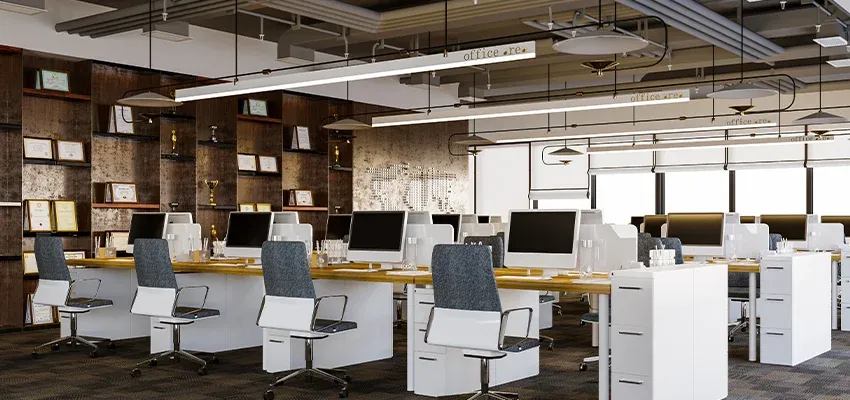
When people search for the Perfect Office Space Near Me, they are often looking for a location that balances convenience, functionality, and long-term business needs. Every organization has different priorities, which makes the selection process unique.
This guide explores practical tips for evaluating office locations, understanding workspace requirements, and making informed decisions that support business goals and employee satisfaction.
Why Office Location Matters
The location of an office can significantly influence everyday operations.
A suitable location can help:
Improve employee accessibility
Support client visits
Reduce commuting challenges
Enhance business visibility
Encourage team collaboration
An office that is easy to reach and well-positioned within a business district or commercial area often contributes to smoother daily activities.
Before focusing on interior design or workspace layouts, it is important to evaluate location-related factors.
Understanding Your Business Requirements
Every business operates differently.
Before searching for office space, it is helpful to identify key requirements.
Questions to consider include:
How many people will use the office?
Are client meetings common?
Is collaborative work important?
Will remote work continue alongside office operations?
Are future expansion plans expected?
Clearly defining needs can narrow the search and simplify decision-making.
Without a clear understanding of requirements, businesses may select spaces that become unsuitable over time.
Evaluating Accessibility
Accessibility is one of the most important factors when selecting office space.
Employees, visitors, and clients should be able to reach the location conveniently.
Consider:
Public Transportation
Nearby transit options can simplify commuting.
Road Connectivity
Good road access supports daily travel.
Parking Availability
Adequate parking improves convenience for employees and visitors.
Nearby Amenities
Restaurants, banks, healthcare facilities, and convenience stores can add value to the location.
Easy accessibility often contributes to employee satisfaction and operational efficiency.
Choosing the Right Office Size
Selecting the correct amount of space is essential.
An office that is too small may create overcrowding, while excessive space may result in inefficient utilization.
Factors influencing space requirements include:
Current workforce size
Meeting room needs
Reception areas
Storage requirements
Collaboration spaces
Future growth should also be considered during planning.
Businesses often benefit from selecting spaces that can accommodate moderate expansion without requiring immediate relocation.
Understanding Different Office Layouts
Modern offices come in various configurations.
Each layout supports different working styles.
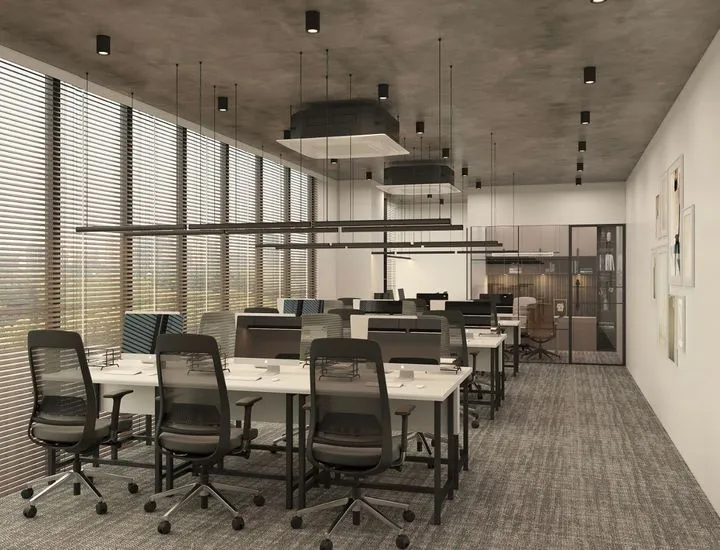
Open Workspace Layouts
Encourage collaboration and communication.
Private Offices
Provide greater privacy and focus.
Hybrid Layouts
Combine collaborative areas with private workspaces.
Flexible Workspaces
Support changing workforce requirements.
The ideal layout depends on organizational culture and operational needs.
Workplace Comfort and Productivity
A comfortable workplace can positively influence employee performance and well-being.
Important considerations include:
Natural Lighting
Natural light contributes to a pleasant environment.
Ventilation
Proper airflow supports comfort.
Noise Levels
Managing workplace noise helps improve concentration.
Ergonomic Design
Comfortable workstations support long-term productivity.
Break Areas
Dedicated relaxation spaces encourage employee wellness.
A thoughtfully designed office environment can contribute to a more positive workplace experience.
Technology and Infrastructure Considerations
Modern businesses depend heavily on technology.
Before finalizing office space, it is important to evaluate infrastructure capabilities.
Areas to assess include:
Internet connectivity
Network infrastructure
Electrical capacity
Meeting room technology
Security systems
Reliable infrastructure supports daily operations and reduces potential disruptions.
Technology requirements should align with the organization's operational model.
Meeting and Collaboration Spaces
Collaboration remains an important part of many workplaces.
Office spaces should accommodate:
Team Discussions
Dedicated collaboration areas support communication.
Client Meetings
Professional meeting spaces enhance interactions.
Presentations
Conference rooms help facilitate structured discussions.
Virtual Meetings
Modern meeting rooms often require digital communication capabilities.
Well-planned collaboration areas contribute to effective teamwork.
Safety and Security Factors
Workplace safety is essential for employees and visitors.
When evaluating office space, consider:
Building security measures
Access control systems
Emergency exits
Fire safety equipment
Building maintenance standards
A secure environment helps create confidence and supports business continuity.
Organizations should review safety features carefully before making decisions.
Considering Business Growth
Business needs can change over time.
Office space should support both current requirements and future plans.
Questions to consider include:
Will additional employees join in the future?
Could department structures change?
Might new meeting spaces become necessary?
Will technology requirements increase?
Planning for growth can reduce the need for frequent relocations.
A forward-looking approach often supports long-term operational stability.
The Importance of Professional Image
Office space often contributes to how a business is perceived.
Visitors may form impressions based on:
Building appearance
Reception areas
Meeting spaces
Workspace organization
Location quality
A professional environment can help create positive experiences for clients, partners, and stakeholders.
While functionality remains important, appearance also plays a role in workplace perception.
Common Mistakes to Avoid
Businesses sometimes encounter challenges during office selection.
Common mistakes include:
Prioritizing Appearance Over Functionality
Visual appeal should not outweigh practical requirements.
Ignoring Future Needs
Short-term thinking can create challenges later.
Overlooking Accessibility
Convenience affects both employees and visitors.
Neglecting Infrastructure Requirements
Technology limitations can impact operations.
Failing to Evaluate Workplace Comfort
Employee well-being should remain a priority.
Avoiding these mistakes can contribute to a more successful office selection process.
Emerging Trends in Office Spaces
Workplace expectations continue evolving.
Several trends are influencing office design and selection.
Hybrid Work Environments
Organizations increasingly combine office and remote work.
Flexible Workspaces
Adaptable layouts support changing business needs.
Wellness-Focused Design
Employee comfort is receiving greater attention.
Smart Building Technology
Advanced systems help improve workplace efficiency.
Collaborative Environments
Modern offices often prioritize teamwork and communication.
Understanding these trends can help businesses make more informed decisions.
Conclusion
Finding the Perfect Office Space Near Me involves more than selecting a convenient address. Businesses should carefully evaluate accessibility, space requirements, workplace comfort, infrastructure, collaboration needs, safety features, and future growth plans.
A well-chosen office can support productivity, improve employee experiences, facilitate client interactions, and contribute to long-term organizational success. By taking a thoughtful and structured approach to office selection, businesses can create work environments that support both present operations and future opportunities.