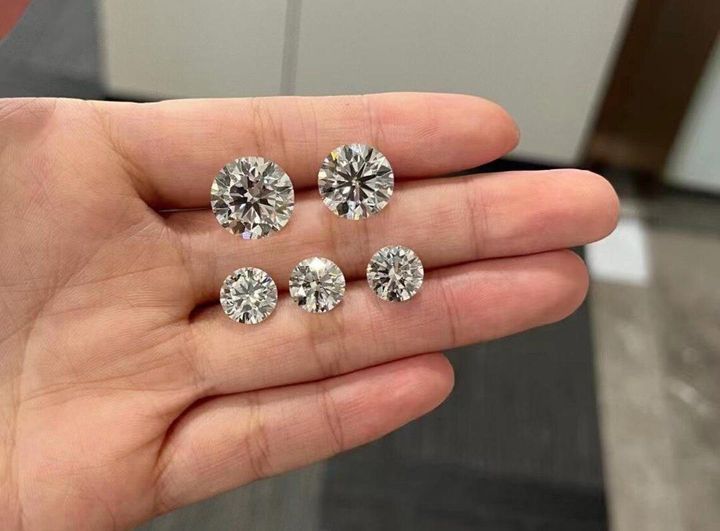
Classic Lab Grown Diamonds: Explore Guide, Tips, Insights, Facts, Knowledge, and Helpful Resources
Classic lab grown diamonds are diamonds produced in controlled laboratory environments using advanced technology that replicates the natural conditions under which diamonds form. These diamonds have the same chemical composition, crystal structure, hardness, and optical characteristics as mined diamonds.
The development of lab grown diamonds emerged from scientific research focused on creating diamond materials for industrial and technological applications. Over time, improvements in manufacturing methods enabled the production of gem-quality diamonds suitable for jewelry and research purposes.
Two primary techniques are commonly used:
- High Pressure High Temperature (HPHT)
- Chemical Vapor Deposition (CVD)
Both methods produce authentic diamonds rather than diamond simulants. Unlike materials such as cubic zirconia or moissanite, lab grown diamonds are composed of crystallized carbon and share the same fundamental properties as natural diamonds.
The growing interest in sustainable manufacturing, supply chain transparency, and technological innovation has increased public awareness of lab grown diamonds across many regions.
Why Classic Lab Grown Diamonds Matter Today
Lab grown diamonds are increasingly relevant because they provide an alternative source of diamond production while supporting advancements in manufacturing technology and material science.
Several groups are influenced by developments in this sector:
- Consumers seeking information about diamond origins
- Researchers studying advanced materials
- Jewelry professionals and gemologists
- Environmental and sustainability analysts
- Policymakers and trade organizations
The topic also addresses several important challenges:
| Challenge | How Lab Grown Diamonds Contribute |
|---|---|
| Supply transparency | Production processes can be documented more easily |
| Material innovation | Supports industrial and scientific applications |
| Diamond traceability | Enables tracking through manufacturing stages |
| Resource efficiency research | Encourages exploration of alternative production methods |
| Consumer education | Expands understanding of diamond categories |
Lab grown diamonds are also used in sectors beyond jewelry, including:
- Semiconductor research
- Optical technologies
- High-performance cutting tools
- Quantum computing experiments
- Medical and scientific equipment
As technology improves, the broader significance of synthetic diamond manufacturing continues to expand.
Key Characteristics of Classic Lab Grown Diamonds
Understanding the properties of lab grown diamonds helps explain why they are often discussed alongside natural diamonds.
| Property | Lab Grown Diamond |
|---|---|
| Chemical Composition | Carbon (C) |
| Hardness | 10 on Mohs Scale |
| Crystal Structure | Cubic Crystal System |
| Thermal Conductivity | Very High |
| Optical Performance | Comparable to natural diamonds |
| Certification Availability | Yes |
Gemological laboratories evaluate lab grown diamonds using many of the same grading principles applied to natural diamonds, including:
- Carat weight
- Color
- Clarity
- Cut quality
These factors remain important when assessing diamond characteristics and quality.
Recent Updates and Industry Trends
The lab grown diamond industry experienced several notable developments during 2025 and early 2026.
Advances in CVD technology continued to improve production efficiency and consistency. Manufacturers reported increased focus on larger diamond sizes, enhanced color control, and improved crystal growth techniques.
Industry organizations also expanded educational initiatives to improve consumer understanding of diamond terminology and certification standards.
Recent trends include:
- Increased adoption of digital diamond traceability systems
- Greater use of blockchain-based tracking technologies
- Enhanced grading standards for laboratory-grown diamonds
- Continued investment in advanced diamond manufacturing facilities
- Growth in research related to industrial diamond applications
Industry Trend Snapshot (2025–2026)
| Trend | Impact |
|---|---|
| Advanced CVD Manufacturing | Improved production consistency |
| Digital Traceability | Better documentation of origin |
| Certification Expansion | Greater transparency |
| Research Applications | Increased scientific usage |
| Sustainability Reporting | More detailed environmental assessments |
Illustrative Industry Trend Graph
Industry Focus Areas (2025–2026)

Traceability Systems      ████████████
Certification Growth      ██████████
Research Applications     █████████
Manufacturing Innovation  █████████████
Consumer Education        ████████
Many analysts expect technological improvements and standardization efforts to remain major themes throughout the coming years.
Regulations, Laws, and Policy Considerations
Lab grown diamonds are subject to various regulations and industry standards depending on the country and jurisdiction.
A central regulatory focus is transparency and accurate product disclosure.
Important policy areas include:
- Consumer protection regulations
- Product labeling requirements
- Advertising disclosure standards
- Import and export regulations
- Certification and grading guidelines
Many jurisdictions require that laboratory-grown diamonds be clearly identified using terms such as:
- Lab grown diamond
- Laboratory-created diamond
- Laboratory-grown diamond
Organizations involved in diamond standards and guidance may include:
- International gemological institutions
- Trade associations
- Consumer protection agencies
- Customs and trade authorities
The purpose of these regulations is generally to ensure accurate information and prevent confusion between natural and laboratory-grown diamonds.
Certification and Disclosure Standards
Certification plays a major role in diamond identification.
Common information included in grading reports:
| Certification Element | Purpose |
|---|---|
| Diamond Identification | Confirms diamond type |
| Color Grade | Evaluates color characteristics |
| Clarity Grade | Assesses internal features |
| Cut Grade | Measures craftsmanship |
| Measurements | Provides dimensions |
| Growth Method | Indicates HPHT or CVD |
These reports help create consistency and transparency across the industry.
Helpful Tools and Resources
A variety of educational and technical resources can help individuals understand lab grown diamonds more effectively.
Useful resources include:
- Diamond grading report databases
- Gemology education platforms
- Jewelry certification verification tools
- Diamond measurement calculators
- Carat-to-size comparison charts
- Diamond anatomy guides
- Sustainability reporting frameworks
- Trade association educational portals
Examples of commonly used resource categories:
| Resource Type | Purpose |
|---|---|
| Diamond Calculators | Estimate dimensions and proportions |
| Certification Lookup Tools | Verify grading reports |
| Gemology Learning Platforms | Educational research |
| Industry Publications | Market and technology updates |
| Traceability Platforms | Track production information |
When reviewing information, it is generally helpful to rely on recognized gemological institutions and industry organizations that maintain transparent grading methodologies.
Practical Tips for Understanding Lab Grown Diamonds
Individuals researching diamonds may find the following practices useful:
- Learn the differences between natural diamonds and diamond simulants.
- Understand HPHT and CVD production methods.
- Review grading terminology carefully.
- Check certification documentation when available.
- Compare clarity, color, cut, and carat characteristics.
- Explore educational resources from recognized gemology organizations.
- Stay informed about evolving regulations and disclosure standards.
Developing a basic understanding of these topics can improve overall diamond literacy and help individuals interpret industry information more accurately.
Frequently Asked Questions
What is a classic lab grown diamond?
A classic lab grown diamond is a diamond created in a controlled laboratory environment using advanced manufacturing methods that replicate natural diamond formation processes. It has the same chemical and physical properties as a natural diamond.
Are lab grown diamonds real diamonds?
Yes. Lab grown diamonds are genuine diamonds composed of carbon arranged in the same crystal structure found in natural diamonds.
How are lab grown diamonds produced?
Most lab grown diamonds are produced through either High Pressure High Temperature (HPHT) technology or Chemical Vapor Deposition (CVD) technology.
Can gemological laboratories identify lab grown diamonds?
Yes. Modern gemological laboratories use specialized instruments and analytical techniques to distinguish laboratory-grown diamonds from natural diamonds and provide grading reports.
Why are certification reports important?
Certification reports provide detailed information about a diamond’s characteristics, including color, clarity, cut, measurements, and growth method. They help promote transparency and consistency.
What industries use lab grown diamonds besides jewelry?
Lab grown diamonds are used in scientific research, semiconductor development, optical systems, medical technology, quantum computing research, and industrial manufacturing applications.
Conclusion
Classic lab grown diamonds represent an important advancement in materials science and modern diamond manufacturing. Produced through sophisticated technologies such as HPHT and CVD, these diamonds possess the same fundamental physical and chemical characteristics as natural diamonds.
The growing focus on traceability, certification standards, manufacturing innovation, and consumer education has contributed to increased awareness of lab grown diamonds worldwide. Recent developments in production efficiency, digital tracking systems, and industry transparency continue to shape the sector.
By understanding how lab grown diamonds are created, how they are regulated, and how certification systems operate, individuals can better navigate information related to this evolving field. Educational resources, grading tools, and industry standards remain valuable sources of knowledge for anyone seeking a deeper understanding of classic lab grown diamonds.