Car Detailing and Ceramic Coating Explained: Learn Paint Protection Methods, Coating Benefits, and Vehicle Care Knowledge
Vehicle owners often look for ways to maintain the appearance and condition of their automobiles. Car detailing and ceramic coating have become widely recognized approaches for preserving vehicle surfaces and improving long-term maintenance outcomes.
Understanding Car Detailing and Ceramic Coating
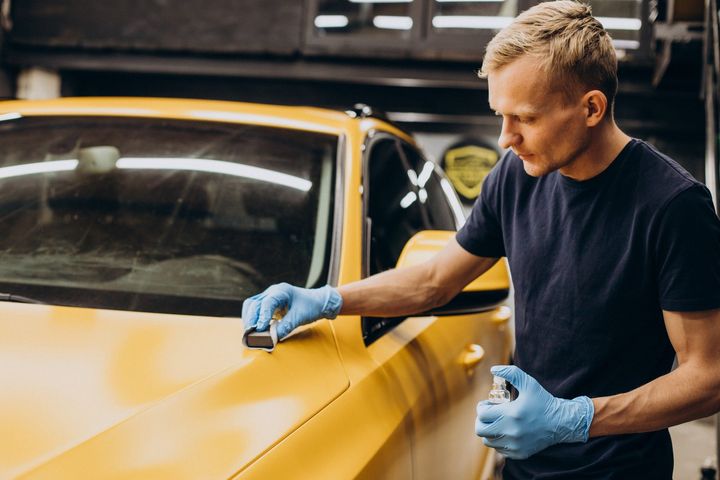
Car detailing refers to the thorough cleaning, restoration, and enhancement of a vehicle's interior and exterior components. Unlike standard washing, professional car detailing involves careful attention to paint surfaces, wheels, glass, trim, upholstery, and other vehicle areas.
Automotive ceramic coating is a liquid polymer technology applied to a vehicle’s painted surfaces. Once cured, the coating forms a protective layer that can help reduce exposure to environmental contaminants. Many ceramic coating for cars applications are designed to improve surface durability and simplify routine maintenance.
The growing popularity of exterior car detailing, paint protection film technologies, and hydrophobic ceramic coating solutions reflects increasing awareness about vehicle preservation and paint protection methods.
Why Car Detailing and Ceramic Coating Matter Today
Modern vehicles are exposed to a variety of environmental conditions that can affect their appearance over time. Sunlight, road debris, dust, bird droppings, tree sap, rainwater minerals, and industrial pollutants may contribute to surface wear.
As vehicle ownership periods continue to increase in many regions, maintaining exterior condition has become more important for long-term vehicle care.
Car detailing and automotive ceramic coating help address several common concerns:
- Surface contamination accumulation
- Oxidation caused by UV exposure
- Water spotting
- Dirt adhesion
- Minor environmental damage
- Appearance deterioration over time
These methods are relevant to:
- Personal vehicle owners
- Fleet operators
- Automotive enthusiasts
- Luxury vehicle owners
- Commercial transportation operators
The table below summarizes common challenges and associated protection approaches.
| Vehicle Challenge | Common Protection Method |
|---|---|
| UV Exposure | Ceramic coating |
| Road Contaminants | Exterior car detailing |
| Water Spotting | Hydrophobic ceramic coating |
| Minor Surface Damage | Paint protection film |
| Oxidation | Paint correction and coating |
| Dirt Accumulation | Routine detailing |
Different Types of Car Detailing and Ceramic Coating
Several vehicle protection methods are available depending on maintenance goals and vehicle usage.
Exterior Car Detailing
Exterior car detailing focuses on cleaning, polishing, and restoring the outer surfaces of a vehicle. It often includes paint decontamination, polishing, wheel cleaning, and protective finishing treatments.
Interior Car Detailing
Interior detailing involves cleaning and maintaining seats, carpets, dashboards, door panels, air vents, and interior surfaces to improve cleanliness and appearance.
Ceramic Coating for Cars
Ceramic coating for cars creates a protective layer that bonds with painted surfaces. This layer may help reduce contaminant adhesion and support easier maintenance.
Hydrophobic Ceramic Coating
Hydrophobic ceramic coating technologies are designed to increase water repellency. Water tends to bead and roll away from treated surfaces, carrying some contaminants with it.
Paint Protection Film
Paint protection film is a transparent protective layer applied to vulnerable vehicle surfaces. It helps shield paint from minor chips, scratches, and road debris.
Graphene-Based Coatings
Graphene-enhanced coatings represent a newer category of paint protection products. These coatings are designed to complement traditional ceramic technologies through additional durability characteristics.
Benefits and Applications
Car detailing and ceramic coating techniques offer several practical advantages for vehicle maintenance.
Improved Surface Protection
Ceramic coatings and paint protection film create additional barriers between the vehicle's paint and environmental contaminants.
Easier Cleaning
Hydrophobic ceramic coating technologies help reduce dirt and water adherence, making routine cleaning more efficient.
Enhanced Appearance
Exterior car detailing can improve gloss, clarity, and overall visual presentation by removing contaminants and correcting surface imperfections.
UV Resistance
Many automotive ceramic coating formulations are designed to help reduce the effects of prolonged sunlight exposure.
Long-Term Vehicle Care
Regular detailing and protective coatings contribute to ongoing paint preservation efforts.
The following chart illustrates estimated maintenance priorities among vehicle owners interested in paint protection.
| Vehicle Care Priority | Relative Interest (%) |
| Paint Protection | 35 |
| Appearance Enhancement | 25 |
| Easier Maintenance | 20 |
| UV Resistance | 10 |
| Water Repellency | 10 |
Common applications include:
- Passenger vehicles
- Sports cars
- Luxury automobiles
- Commercial fleets
- Motorcycles
- Recreational vehicles
- Collector vehicles
Top 5 Leading Provider Company Names
Several manufacturers have established strong recognition within the automotive ceramic coating and paint protection industry.
- Ceramic Pro
- Gtechniq
- XPEL
- 3M Automotive
- GYEON
These organizations are known for developing paint protection technologies, ceramic coating systems, and vehicle surface preservation products used in automotive care environments worldwide.
Recent Updates and Industry Trends
The vehicle protection industry has experienced several notable developments during the past year.
Expansion of Graphene Coating Technologies (2025–2026)
Graphene-enhanced coatings continue gaining attention as manufacturers explore alternative protective formulations that complement traditional ceramic coating systems.
Increased Adoption of Paint Protection Film
Throughout 2025 and early 2026, more vehicle owners have shown interest in combining paint protection film with ceramic coating applications for layered protection strategies.
Sustainability Initiatives
Automotive care manufacturers have introduced products emphasizing environmentally conscious formulations and reduced environmental impact.
Smart Surface Protection Research
Several automotive technology developers have continued researching advanced coatings capable of improving resistance to contamination and environmental exposure.
Growing Educational Content
Vehicle maintenance platforms and automotive communities have expanded educational resources covering professional car detailing techniques, coating maintenance, and paint preservation practices.
These trends demonstrate ongoing innovation in vehicle appearance management and protective coating technologies.
Laws and Policies Affecting Vehicle Coatings
Car detailing and ceramic coating activities may be influenced by environmental and automotive regulations depending on the country or region.
Environmental Regulations
Many jurisdictions regulate chemical handling, wastewater disposal, and environmental practices associated with vehicle cleaning activities.
Water Usage Guidelines
Certain regions have introduced water conservation programs affecting vehicle washing and detailing procedures.
Chemical Safety Standards
Protective coating manufacturers may be required to comply with regulations governing chemical labeling, handling instructions, and safety disclosures.
Consumer Protection Rules
Advertising and product claims related to automotive ceramic coating products may be subject to consumer protection regulations intended to prevent misleading statements.
Automotive Maintenance Standards
Vehicle maintenance activities generally must comply with local environmental and safety requirements established by relevant authorities.
Regulations vary significantly across regions, making local guidance the most reliable source of compliance information.
Helpful Tools and Resources
Various tools and educational resources support vehicle care planning and maintenance.
Vehicle Maintenance Applications
- Vehicle maintenance tracking apps
- Car care scheduling platforms
- Paint inspection tools
- Service record management applications
Online Resources
- Automotive detailing communities
- Vehicle maintenance guides
- Manufacturer care instructions
- Automotive preservation forums
Detailing Equipment
- Paint thickness gauges
- Clay bar kits
- Microfiber towel systems
- Dual-action polishers
- Surface inspection lighting
Maintenance Planning Resources
- Vehicle inspection checklists
- Paint condition tracking logs
- Detailing schedules
- Protection maintenance templates
The table below summarizes useful resources for vehicle care.
| Resource | Purpose |
| Paint Thickness Gauge | Evaluate paint condition |
| Vehicle Maintenance Apps | Track care schedules |
| Inspection Lighting | Identify surface defects |
| Detailing Checklists | Organize maintenance tasks |
| Automotive Forums | Share educational information |
Frequently Asked Questions
What is ceramic coating for cars?
Ceramic coating for cars is a liquid polymer applied to painted surfaces that forms a protective layer after curing. It is commonly used to support paint preservation and simplify maintenance.
Is paint protection film different from ceramic coating?
Yes. Paint protection film is a physical transparent layer applied to vehicle surfaces, while ceramic coating is a liquid-applied protective coating that bonds to the paint.
What does hydrophobic ceramic coating mean?
Hydrophobic ceramic coating refers to a coating designed to repel water. Water typically forms beads and moves off the surface more easily compared to untreated paint.
Does car detailing include paint correction?
Some professional car detailing processes may include paint correction techniques that help reduce visible imperfections such as swirl marks and light surface defects.
Can ceramic coating replace routine vehicle maintenance?
No. Automotive ceramic coating supports paint protection but does not eliminate the need for regular washing, inspections, and general vehicle care practices.
Conclusion
Car detailing and ceramic coating have become important aspects of modern vehicle maintenance. Through techniques such as exterior car detailing, paint correction, hydrophobic ceramic coating application, and paint protection film installation, vehicle owners can better understand available methods for preserving automotive surfaces.
As coating technologies continue to evolve, including developments in graphene-enhanced formulations and advanced protective materials, vehicle care practices are becoming increasingly sophisticated. Understanding the benefits, limitations, applications, regulations, and maintenance requirements associated with automotive ceramic coating can help individuals make informed decisions about long-term vehicle preservation.
Whether focused on appearance enhancement, environmental protection, or maintenance efficiency, car detailing and ceramic coating remain significant topics within contemporary automotive care.
Informational Disclaimer: References to ceramic coating cost, paint protection technologies, detailing packages, maintenance programs, and automotive care products are provided solely for educational and informational purposes.