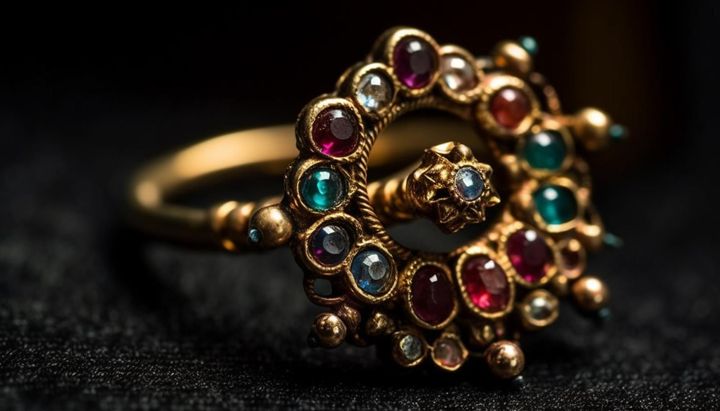
Best Gemstone Jewellery Guide: Explore Emerald, Ruby, and Sapphire Selection Tips, Quality Insights, Buying Advice, and Care Basics
Gemstone jewelry has been valued for centuries because of its beauty, rarity, symbolism, and craftsmanship. It refers to jewelry pieces that feature natural or laboratory-created gemstones set into precious metals such as gold, platinum, or silver. Among the most recognized varieties are emerald jewelry, ruby jewelry, and sapphire jewelry, each known for its distinctive color and characteristics.
Understanding Gemstone Jewellery
Historically, gemstones were associated with status, cultural traditions, and artistic expression. Today, gemstone jewelry continues to play an important role in personal adornment, special occasions, collections, and heirloom pieces. Modern consumers often seek certified gemstones to better understand a gemstone's origin, quality characteristics, and authenticity.
The growing interest in luxury gemstone jewelry and precious gemstone jewelry reflects an appreciation for craftsmanship, durability, and timeless design. Understanding gemstone quality, selection factors, and maintenance practices helps individuals make informed decisions when evaluating jewelry pieces.
Why Gemstone Jewellery Matters Today
Gemstone jewelry remains relevant because it combines aesthetic appeal with cultural, historical, and personal significance. Individuals often select gemstones to commemorate milestones, celebrate achievements, or express personal style.
Several factors contribute to the continued importance of gemstone jewelry:
- Appreciation of natural materials and craftsmanship
- Interest in long-lasting luxury accessories
- Growing awareness of gemstone certification standards
- Demand for transparent sourcing information
- Interest in collectible and heirloom-quality pieces
Gemstone jewelry affects a wide audience, including collectors, jewelry enthusiasts, designers, retailers, and individuals seeking meaningful accessories.
The table below highlights common considerations and their importance.
| Consideration | Importance |
|---|---|
| Gemstone Quality | Influences appearance and durability |
| Certification | Supports transparency and identification |
| Craftsmanship | Affects longevity and aesthetics |
| Metal Selection | Impacts durability and style |
| Maintenance | Helps preserve appearance |
| Design | Determines wearability and versatility |
Types of Gemstone Jewellery
Gemstone jewelry encompasses numerous styles and gemstone varieties.
Emerald Jewelry
Emerald jewelry features green gemstones belonging to the beryl mineral family. Emeralds are admired for their rich color and historical significance. Common forms include gemstone rings, pendants, earrings, and bracelets.
Ruby Jewelry
Ruby jewelry incorporates red corundum gemstones. Rubies are known for their vivid color, durability, and association with passion and vitality.
Sapphire Jewelry
Sapphire jewelry traditionally features blue corundum gemstones, although sapphires occur in several colors. They are valued for their hardness and versatility.
Gemstone Rings
Gemstone rings remain among the most popular jewelry categories. They may feature a single gemstone or multiple stones arranged in decorative settings.
Precious Gemstone Jewelry
This category generally includes jewelry containing emeralds, rubies, sapphires, and diamonds. These gemstones are often associated with rarity and long-term desirability.
Luxury Gemstone Jewelry
Luxury gemstone jewelry combines premium gemstones with advanced craftsmanship, intricate designs, and high-quality materials.
Mixed Gemstone Jewellery
Some pieces combine multiple gemstone varieties to create colorful and distinctive visual effects.
Benefits and Applications
Gemstone jewelry offers a variety of practical and aesthetic benefits.
Visual Appeal
Natural gemstones display unique colors, patterns, and optical characteristics that contribute to their attractiveness.
Durability
Many precious gemstones possess strong hardness characteristics, making them suitable for long-term wear when properly maintained.
Personal Expression
Different gemstones allow individuals to express preferences, traditions, and personal style.
Cultural and Historical Significance
Gemstones have been incorporated into ceremonial, artistic, and cultural practices throughout history.
Collectible Value
Some gemstone jewelry pieces are appreciated for their craftsmanship, rarity, and historical relevance.
Applications commonly include:
- Formal occasions
- Everyday accessories
- Family heirlooms
- Personal collections
- Anniversary celebrations
- Special commemorative events
- Cultural ceremonies
The following chart illustrates the relative popularity of common gemstone jewelry categories.
| Category | Estimated Popularity (%) |
| Gemstone Rings | 35 |
| Necklaces and Pendants | 25 |
| Earrings | 20 |
| Bracelets | 10 |
| Brooches and Other Pieces | 10 |
Top 5 Leading Provider Company Names
Several luxury jewelry brands are internationally recognized for gemstone craftsmanship, heritage, and design innovation.
- Tiffany & Co.
- Cartier
- Harry Winston
- Bulgari
- Van Cleef & Arpels
These organizations are widely known for gemstone artistry, design heritage, and contributions to the global jewelry industry.
Recent Updates and Industry Trends
The gemstone jewelry sector experienced several notable developments during 2025 and early 2026.
Increased Demand for Certified Gemstones
Throughout 2025, consumers demonstrated growing interest in gemstone documentation and grading information. Certification reports continue to play an important role in gemstone evaluation.
Sustainable Sourcing Initiatives
Jewelry brands increasingly emphasized responsible sourcing practices and supply chain transparency during 2025.
Digital Gemstone Visualization
Advanced imaging technologies and digital visualization tools became more widely used, allowing consumers and industry professionals to examine gemstones in greater detail.
Growing Interest in Colored Gemstones
Market observers noted continued interest in emerald jewelry, ruby jewelry, and sapphire jewelry as alternatives to traditional diamond-focused collections.
Personalized Jewellery Design
Custom-designed gemstone rings and personalized jewelry pieces remained a significant trend during 2025 and early 2026.
These developments reflect changing consumer preferences toward transparency, individuality, and informed decision-making.
Laws and Policies Affecting Gemstone Jewellery
Gemstone jewelry is subject to various regulations intended to support consumer protection, trade transparency, and industry standards.
Hallmarking Regulations
Many countries require precious metal jewelry to comply with hallmarking standards that identify metal purity.
Consumer Protection Requirements
Consumer protection laws often regulate product descriptions, gemstone disclosure practices, and marketing claims.
Import and Export Regulations
Gemstones and jewelry may be subject to customs requirements, trade documentation, and international commerce regulations.
Certification and Disclosure Standards
Industry organizations encourage accurate disclosure regarding gemstone treatments, laboratory creation methods, and grading information.
Responsible Sourcing Frameworks
Governments and international organizations continue supporting initiatives that promote ethical sourcing and traceability within gemstone supply chains.
Regulatory requirements vary across jurisdictions and may evolve over time.
Helpful Tools and Resources
Several resources can help individuals learn more about gemstone jewelry and gemstone quality.
Gemstone Identification Resources
- Gemological reference guides
- Gemstone databases
- Mineral identification tools
Educational Organizations
- Gemological institutes
- Jewelry education platforms
- Professional gemstone associations
Jewelry Maintenance Resources
- Jewelry care guides
- Cleaning schedules
- Storage planning checklists
Digital Evaluation Tools
- Magnification applications
- Gemstone color comparison tools
- Jewelry inventory trackers
Research Resources
- Industry publications
- Market reports
- Historical gemstone references
The table below summarizes useful resources.
| Resource Type | Purpose |
| Gemological Guides | Learn gemstone characteristics |
| Jewelry Care References | Understand maintenance practices |
| Industry Publications | Follow market developments |
| Inventory Tools | Organize collections |
| Educational Platforms | Improve gemstone knowledge |
Frequently Asked Questions
What are certified gemstones?
Certified gemstones are gemstones that have been evaluated by recognized gemological laboratories and accompanied by documentation describing their characteristics and identification details.
What is the difference between emerald, ruby, and sapphire?
Emeralds belong to the beryl family and are known for their green color. Rubies and sapphires belong to the corundum family, with rubies appearing red and sapphires commonly appearing blue or other colors.
Why are gemstone rings so popular?
Gemstone rings combine durability, visual appeal, and versatility, making them suitable for both everyday wear and special occasions.
How should gemstone jewelry be stored?
Jewelry should generally be stored separately in protective compartments or soft pouches to reduce scratching and minimize exposure to moisture and chemicals.
Does gemstone jewelry require regular maintenance?
Yes. Periodic inspection, careful cleaning, and appropriate storage practices can help preserve the appearance and condition of gemstone jewelry over time.
Conclusion
Gemstone jewelry continues to hold significance due to its beauty, craftsmanship, historical importance, and versatility. Whether exploring emerald jewelry, ruby jewelry, sapphire jewelry, gemstone rings, luxury gemstone jewelry, or precious gemstone jewelry, understanding gemstone quality and certification can contribute to more informed decisions.
Recent developments in certification, sustainable sourcing, digital evaluation tools, and personalized design have further enhanced transparency within the jewelry industry. By learning about gemstone types, maintenance practices, regulations, and educational resources, individuals can better appreciate the enduring appeal of gemstone jewelry.
Informational Disclaimer: References to gemstone quality grades, certification practices, jewelry collections, gemstone characteristics, market trends, pricing ranges, or package-related information are provided solely for educational purposes. Actual gemstone attributes, availability, grading outcomes, and market values may vary based on origin, treatment history, certification standards, craftsmanship, and regional market conditions.