Table of Contents

Antique Show Pieces Explained: Craftsmanship, Cultural Significance, and Collectible Insights

Antique Show Pieces Explained: Craftsmanship, Cultural Significance, and Collectible Insights

Antique show pieces are decorative, artistic, or functional objects that are valued for their age, craftsmanship, historical importance, cultural significance, or collectible appeal. These items are commonly displayed in homes, museums, heritage centers, galleries, offices, hotels, and cultural institutions.


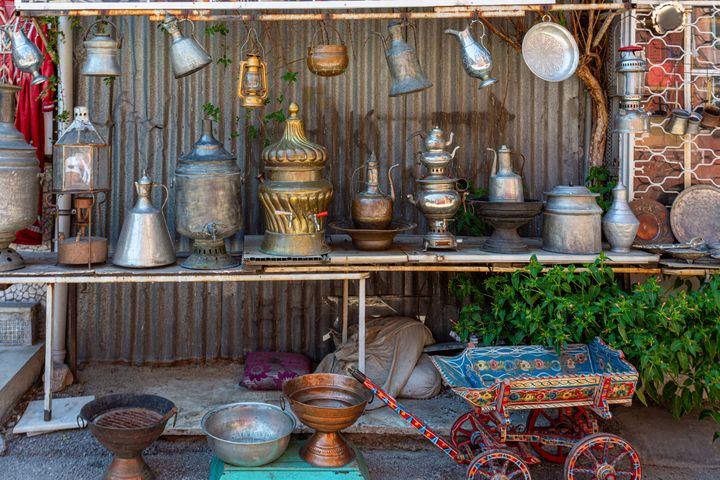
Antique show pieces may include sculptures, clocks, figurines, decorative boxes, metalwork, porcelain items, carved wooden artifacts, vintage instruments, and handcrafted ornaments. Their appeal often comes from the stories they represent, the skills used in their creation, and their connection to specific historical periods.

High CPC keywords associated with this topic include luxury home décor, collectible art pieces, heritage preservation, interior design solutions, antique restoration, cultural artifacts, premium home accessories, museum collections, and decorative craftsmanship.

As interest in cultural heritage and traditional craftsmanship grows, antique show pieces continue to attract attention from historians, designers, collectors, and enthusiasts.

Why Antique Show Pieces Matter Today

Antique objects help preserve history and provide insights into the artistic traditions, materials, and lifestyles of earlier generations.

These items are important because they:

  • Preserve cultural heritage
  • Showcase traditional craftsmanship
  • Reflect historical design trends
  • Support educational research
  • Enhance interior aesthetics
  • Encourage appreciation of art and history

Antique show pieces affect collectors, museums, educators, designers, historians, restoration specialists, and cultural organizations.

In an era of mass production, handcrafted antiques often serve as reminders of traditional artistic techniques and cultural identity.

Common Types of Antique Show Pieces

Antiques come in a wide variety of forms and materials.

CategoryExamples
Metal ArtifactsBrass, bronze, copper decorative items
Wooden CraftsHand-carved furniture accents and figurines
Ceramic PiecesPorcelain and pottery decorations
SculpturesStone, marble, and metal statues
TimepiecesVintage clocks and watches
Decorative ObjectsBoxes, lamps, mirrors, and ornaments

Each category reflects different artistic traditions and historical influences.

Craftsmanship Behind Antique Pieces

One of the most admired aspects of antique show pieces is the craftsmanship involved in their creation.

Traditional artisans often relied on:

  • Hand carving
  • Metal casting
  • Engraving
  • Woodworking
  • Pottery techniques
  • Stone sculpting
  • Hand painting
  • Textile decoration

Many antique objects were created before modern industrial manufacturing became widespread, making manual craftsmanship a defining characteristic.

Cultural Significance of Antique Show Pieces

Antiques frequently represent cultural values, beliefs, traditions, and artistic movements from specific regions and historical periods.

Examples of cultural influences include:

  • Religious symbolism
  • Royal and aristocratic traditions
  • Folk art styles
  • Regional craftsmanship
  • Historical events
  • Architectural influences

These cultural connections often make antique pieces valuable educational resources for understanding history and society.

Historical Periods Often Associated with Antiques

Different periods produced distinct styles and artistic characteristics.

Historical PeriodTypical Characteristics
Victorian EraDecorative details and ornamentation
Art NouveauNature-inspired designs
Art DecoGeometric patterns and symmetry
Colonial PeriodTraditional handcrafted construction
Mid-Century DesignFunctional and minimalist influences

Understanding historical context helps explain why certain antique show pieces attract attention from collectors and researchers.

Preservation and Care of Antique Objects

Proper preservation helps maintain the condition and historical integrity of antique show pieces.

Common preservation considerations include:

  • Stable environmental conditions
  • Controlled humidity levels
  • Protection from direct sunlight
  • Careful cleaning methods
  • Appropriate storage practices
  • Professional conservation when needed

Museums and heritage organizations often follow specialized conservation guidelines to protect valuable historical objects.

Antique Show Pieces in Interior Design

Antique decorative items continue to influence modern interior design.

Common applications include:

  • Heritage-inspired décor
  • Traditional living spaces
  • Luxury hospitality environments
  • Cultural exhibitions
  • Office reception areas
  • Boutique hotel interiors

Designers often use antique pieces to add historical character and visual interest to contemporary environments.

Industry Examples and Cultural Institutions

Several organizations contribute to the preservation and study of antiques, historical artifacts, and cultural heritage.

Examples include:

  • UNESCO
  • International Council of Museums
  • The British Museum
  • The Metropolitan Museum of Art

Auction houses such as Sotheby's and Christie's are often referenced in discussions about historical collectibles and art objects.

These examples are provided solely for educational purposes and not as endorsements.

Recent Trends and Updates (2025–2026)

The antiques and collectibles sector has experienced several notable developments during the past year.

Key trends include:

  • Increased digital cataloging of historical artifacts
  • Greater use of AI-assisted authentication research
  • Growing interest in cultural heritage preservation
  • Expansion of virtual museum exhibitions
  • Increased focus on restoration documentation
  • Enhanced provenance tracking technologies

Museums and cultural institutions continue investing in digital tools to improve preservation and public accessibility.

Antique Categories and Typical Characteristics

CategoryKey Feature
Bronze SculpturesDurable artistic craftsmanship
Antique ClocksMechanical design heritage
Porcelain FiguresDetailed artistic decoration
Wooden CarvingsTraditional handcrafting techniques
Decorative MetalworkHistoric metalworking skills
Cultural ArtifactsHistorical and cultural significance

These categories highlight the diversity found within antique collections.

Laws and Policies Affecting Antique Collections

Antique objects may be subject to various cultural heritage and preservation regulations.

Important areas include:

  • Cultural heritage protection laws
  • Museum preservation guidelines
  • Artifact export regulations
  • Historical conservation policies
  • Documentation requirements
  • Ownership and provenance standards

Many countries maintain regulations designed to protect historically significant artifacts and cultural property.

Collectors, museums, and institutions often pay close attention to provenance records and preservation requirements.

Tools and Resources

Useful resources related to antique research and preservation include:

  • Museum archives
  • Historical databases
  • Artifact documentation tools
  • Collection management software
  • Heritage preservation publications
  • Restoration reference guides
  • Provenance research resources
  • Digital cataloging platforms

Educational institutions, museums, and cultural organizations frequently provide valuable learning materials related to antiques and historical objects.

Frequently Asked Questions

What is considered an antique show piece?

An antique show piece is generally a decorative or functional object valued for its age, craftsmanship, historical significance, or cultural importance.

Why are antique objects culturally important?

They help preserve historical knowledge, artistic traditions, and cultural heritage for future generations.

What materials are commonly found in antique show pieces?

Common materials include wood, brass, bronze, copper, porcelain, marble, ceramics, textiles, and glass.

How are antiques preserved?

Preservation often involves proper storage, environmental control, careful handling, and conservation practices.

What are major trends in 2026?

Digital cataloging, virtual exhibitions, AI-assisted research, provenance tracking, and heritage preservation initiatives are among the key trends.

Conclusion

Antique show pieces represent far more than decorative objects. They serve as tangible connections to history, craftsmanship, artistic traditions, and cultural heritage. Through materials, design styles, and construction techniques, these objects provide valuable insights into the societies and eras that produced them.

As museums, collectors, historians, and cultural organizations continue embracing digital preservation and heritage documentation technologies, appreciation for antique craftsmanship remains strong. Understanding the historical significance, artistic value, preservation methods, and cultural context of antique show pieces helps foster a deeper appreciation for the legacy of traditional craftsmanship and human creativity.


Disclaimer

This article is intended solely for informational and educational purposes. It does not promote, advertise, recommend, or endorse any antique dealer, auction house, collector, museum, marketplace, or commercial organization. References to historical artifacts, institutions, and companies are provided only to explain cultural heritage, craftsmanship, and collectible categories. The content should not be interpreted as appraisal, investment, legal, or purchasing advice.

author-image

Ravi Shankar Maurya

We create purposeful content that speaks, resonates, and drives action.

June 03, 2026 . 11 min read