Jump to a Chapter

3 BHK Flats in Chennai Explained: Complete Guide, Facts, Insights, and Helpful Resources

3 BHK Flats in Chennai Explained: Complete Guide, Facts, Insights, and Helpful Resources

A 3 BHK (Bedroom, Hall, Kitchen) flat is a residential apartment designed with three bedrooms, a living area, a kitchen, and usually two or more bathrooms. These housing units exist to accommodate families that require additional living space, privacy, and flexibility for modern lifestyles.


Chennai has experienced significant urban growth over the past two decades. As the city expanded through infrastructure development, technology parks, educational institutions, and transportation projects, the demand for larger residential properties also increased. Many households today prefer spacious housing layouts that support work-from-home arrangements, multigenerational living, and changing lifestyle requirements.

A typical 3 BHK flat may include:

  • Three separate bedrooms
  • Living and dining areas
  • Kitchen space
  • Multiple bathrooms
  • Utility or balcony areas
  • Parking facilities in apartment communities

The popularity of these residential units is often linked to family-oriented housing needs and long-term accommodation planning.

Why 3 BHK Flats Matter Today

The importance of 3 BHK flats has grown alongside changing urban living patterns. Families increasingly seek housing that provides flexibility for work, study, recreation, and privacy within a single residence.

Several groups may find such properties relevant:

  • Growing families requiring additional rooms
  • Professionals working remotely
  • Multi-generational households
  • Individuals planning long-term residential stability
  • Property market researchers and analysts

Some common challenges addressed by larger apartment layouts include:

  • Limited personal space in smaller homes
  • Need for dedicated study or office areas
  • Accommodation of elderly family members
  • Storage requirements
  • Future family expansion planning

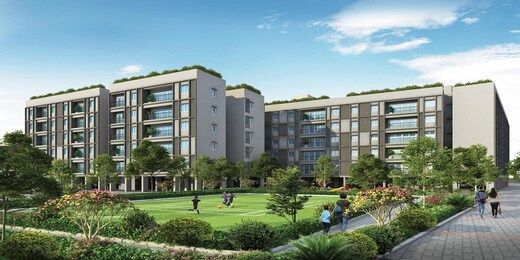
The housing market has also witnessed increasing interest in community-based residential developments that include amenities such as parks, fitness centers, security systems, and recreational facilities.

Residential Preference Trends

Housing FeatureGrowing Importance
Home Office SpaceHigh
Multiple BathroomsHigh
Smart Home FeaturesModerate to High
Energy EfficiencyIncreasing
Community AmenitiesHigh
Security SystemsHigh

The table illustrates how residential priorities have evolved in recent years, contributing to interest in larger apartment configurations.

Recent Updates and Market Trends

The residential housing sector has seen several developments during the past year. Throughout 2025 and early 2026, infrastructure improvements and urban planning initiatives continued influencing housing demand patterns across major metropolitan areas.

Key trends observed include:

  • Greater adoption of smart-home technologies
  • Increased interest in energy-efficient residential buildings
  • Expansion of metro and transportation connectivity
  • Growth in mixed-use developments combining residential and commercial facilities
  • Rising preference for integrated township communities

Many developers have incorporated features such as:

  • Smart access controls
  • Video door communication systems
  • Rainwater harvesting
  • Solar-powered common areas
  • Electric vehicle charging infrastructure

Housing Trend Overview


Demand Drivers (2025–2026)

Infrastructure Growth ██████████
Remote Work Adoption ████████
Smart Home Technology ███████
Community Living █████████
Sustainability Features ███████


Industry reports released during 2025 indicated that larger residential units continued attracting attention due to changing lifestyle needs and increased focus on comfortable living environments.

Urban development projects, transportation upgrades, and digital infrastructure improvements remain important factors shaping residential preferences.

Laws, Regulations, and Government Policies

Residential properties are influenced by various legal and regulatory frameworks. Understanding these regulations helps individuals better evaluate housing-related information.

Important regulatory areas include:

Real Estate Regulation

The implementation of the Real Estate Regulatory Authority framework promotes transparency in residential real estate projects. Registered projects typically provide publicly accessible information regarding approvals, timelines, and project details.

Building Approval Regulations

Residential developments generally require approvals from local planning authorities and municipal bodies. These approvals address:

  • Land use compliance
  • Building safety standards
  • Environmental considerations
  • Structural regulations
  • Fire safety requirements

Property Registration Rules

Property ownership transfers usually require legal registration procedures. Registration processes help establish ownership records and support transparency in real estate transactions.

Environmental Compliance

Modern residential developments often follow environmental standards related to:

  • Waste management
  • Water conservation
  • Energy efficiency
  • Green building practices
  • Sustainable infrastructure planning

Affordable Housing and Urban Development Programs

Housing-related government initiatives continue encouraging urban infrastructure development, residential planning, and improved housing accessibility. Such programs may indirectly influence residential markets by supporting transportation, utilities, and civic infrastructure.

Helpful Tools and Resources

Researching residential properties often becomes easier with the use of digital tools and information resources.

Property Information Portals

Common resources include:

  • Project information databases
  • Residential locality comparison platforms
  • Neighborhood analysis tools
  • Construction status trackers
  • Property documentation checklists

Financial Planning Tools

Useful calculators include:

  • Home loan calculator
  • EMI calculator
  • Mortgage affordability calculator
  • Property tax estimator
  • Budget planning worksheet

Resource Comparison Table

Tool TypePurpose
EMI CalculatorEstimate monthly payments
Mortgage CalculatorUnderstand financing scenarios
Area Conversion ToolConvert square feet and square meters
Property Tax CalculatorEstimate annual obligations
Document ChecklistOrganize ownership records
Locality Comparison ToolCompare neighborhoods

Mapping and Connectivity Tools

Many individuals use digital maps and transportation applications to evaluate:

  • Travel times
  • Public transport access
  • School proximity
  • Healthcare facilities
  • Commercial centers

Smart Property Research Resources

Helpful information sources may include:

  • Urban planning reports
  • Housing market studies
  • Government housing portals
  • Municipal planning documents
  • Infrastructure development updates
  • Real estate transparency databases

Frequently Asked Questions

What does 3 BHK mean?

A 3 BHK refers to a residential unit containing three bedrooms, one hall or living room, and one kitchen. Additional features may include multiple bathrooms, balconies, utility spaces, and parking facilities.

Why are 3 BHK flats popular among families?

They provide additional living space, improved privacy, room for work or study activities, and flexibility for changing family requirements.

What factors should be considered when evaluating a 3 BHK flat?

Important considerations include location, connectivity, building quality, legal approvals, neighborhood infrastructure, community amenities, environmental features, and future development plans.

Are smart-home features becoming common in residential apartments?

Yes. Many modern residential developments increasingly include smart security systems, automated lighting controls, digital access systems, and energy management technologies.

How can someone verify project information?

Project information can often be verified through regulatory databases, planning authority records, approved project documents, and publicly available registration details.

What role does transportation infrastructure play in housing demand?

Transportation networks often influence accessibility, commuting convenience, connectivity, and overall residential desirability. Infrastructure improvements may affect long-term residential development patterns.

Conclusion

3 BHK flats have become an important segment of modern urban housing due to evolving lifestyle needs, family requirements, and growing interest in spacious residential environments. These housing units offer flexibility for work, education, recreation, and family living within a single property.

Recent trends show increasing emphasis on smart-home technologies, sustainability features, and integrated community developments. At the same time, regulations governing real estate transparency, building standards, and environmental compliance continue shaping the residential sector.

Individuals researching residential properties can benefit from utilizing financial calculators, mapping tools, regulatory databases, planning documents, and housing market resources. By understanding housing trends, regulations, and available research tools, readers can make more informed decisions when evaluating residential property information.


author-image

Harshit Sharma

We are a performance-driven media buying team focused on scaling brands through smart, data-backed advertising strategies

June 06, 2026 . 8 min read